Stephanie Klein, Author at Lane & Associates - Page 3 of 18

If you’re thinking about getting veneers or already have them, you might wonder if they can get cavities. Veneers are a great way to improve the look of your smile, but they don’t make your teeth invincible. Let’s break down everything you need to know about cavities and veneers.

Can Veneers Get Cavities?

No, veneers themselves do not get cavities. They are made of porcelain or composite resin, materials that do not decay like natural teeth. However, the teeth underneath your veneers are still vulnerable to cavities if they are not properly cared for.

How Do You Know If You Have a Cavity Under a Veneer?

Since veneers cover the front surface of your teeth, spotting a cavity underneath them can be tricky. Here are some signs that may indicate a cavity under a veneer:

  • Tooth Sensitivity – If you feel pain or sensitivity when eating hot, cold, or sweet foods, there may be a cavity forming underneath.
  • Discoloration – A dark or yellowish stain around the edges of your veneer could mean decay underneath.
  • Pain or Discomfort – Persistent tooth pain could indicate a cavity forming behind the veneer.
  • Bad Breath – Decay can cause bacteria buildup, leading to bad breath that doesn’t go away with brushing.
  • Loose Veneer – If a veneer starts to feel loose or wobbly, a cavity may be damaging the underlying tooth structure.

If you notice any of these symptoms, visit your dentist as soon as possible.

What Happens If You Get a Cavity With Veneers?

If you develop a cavity in a tooth with a veneer, your dentist will need to treat it. The process may include:

  • Removing the Veneer – In some cases, the dentist will take off the veneer to access the decay underneath.
  • Filling the Cavity – The decayed part of the tooth is cleaned out and filled just like a regular cavity.
  • Placing a New Veneer – If the old veneer was removed, a new one may need to be placed.
  • Possible Crown Placement – If the decay is too severe, the tooth may require a dental crown instead of a veneer.

Ignoring a cavity under a veneer can lead to more serious dental issues, such as infections or even tooth loss.

Do Teeth Decay Under Veneers?

Yes, teeth can still decay under veneers if proper oral hygiene is not maintained. Here’s how decay can happen:

  • Plaque and Bacteria Build-Up – If food particles get trapped around the edges of the veneer, bacteria can cause decay.
  • Poor Oral Hygiene – Not brushing and flossing properly can allow cavities to form.
  • Gum Recession – If the gums recede, the exposed part of the tooth (not covered by the veneer) becomes vulnerable to decay.
  • Weak Bond Between Veneer and Tooth – If a veneer is not properly bonded, bacteria can sneak in and start breaking down the natural tooth.

How to Avoid Cavities Under Veneers

Good oral hygiene is key to preventing cavities under veneers. Here are some tips to keep your teeth and veneers in top shape:

  • Brush Twice a Day – Use fluoride toothpaste and brush for at least two minutes.
  • Floss Daily – Flossing removes food particles and plaque that brushing can’t reach.
  • Use Mouthwash – An antibacterial mouthwash can help kill bacteria and prevent plaque buildup.
  • Visit Your Dentist Regularly – Regular checkups allow your dentist to catch any early signs of decay.
  • Avoid Sugary Foods and Drinks – Sugar feeds bacteria, leading to cavities. Cut back on sweets and soda.
  • Drink Plenty of Water – Water helps wash away food particles and bacteria.
  • Avoid Hard or Sticky Foods – These can damage veneers or get stuck between your teeth.

Final Thoughts

While veneers themselves do not get cavities, the natural teeth beneath them can still decay. Taking care of your oral health is the best way to keep your smile looking great and cavity-free. Regular dental visits, good hygiene, and healthy eating habits will help you maintain your veneers and protect your natural teeth for years to come. If you experience any issues, don’t wait—see your dentist right away!


Share this post:

Getting veneers is a popular way to enhance your smile, but many people worry about whether the procedure is painful. The good news is that most patients experience only mild discomfort, and any pain is usually manageable. In this article, we’ll break down everything you need to know about pain and discomfort when getting veneers.

How Painful Is It to Get Veneers?

The process of getting veneers involves several steps, and the level of discomfort can vary depending on the type of veneers and the individual’s pain tolerance. Here’s what you can expect:

  • Numbing: Before the procedure, the dentist will usually numb the area with a local anesthetic, so you won’t feel much during the treatment.
  • Tooth Preparation: Some enamel may need to be shaved down to make room for the veneers. This can cause minor sensitivity but is not usually painful due to the numbing agent.
  • Veneer Placement: The bonding process involves placing the veneers onto your teeth and using a special light to harden the adhesive. Most patients don’t feel pain at this stage.

Overall, any discomfort is minimal and temporary, making veneers a relatively painless procedure.

How Long Do Your Teeth Hurt After Getting Veneers?

After the procedure, it’s normal to experience some mild discomfort or sensitivity. Here’s what you need to know about recovery:

  • First Few Hours: If anesthesia was used, you may feel numb for a few hours.
  • First Few Days: Your teeth may be sensitive to hot and cold foods and drinks. Over-the-counter pain relievers like ibuprofen can help.
  • First Week or Two: Your gums and jaw might feel slightly sore as your mouth adjusts to the new veneers.
  • Long-Term Sensitivity: Some patients experience lingering sensitivity for a few weeks, but this usually fades over time.

If you feel severe or prolonged pain, it’s important to contact your dentist to ensure there are no issues with the veneers.

Do Your Teeth Go Bad Under Veneers?

Veneers are designed to protect and enhance your teeth, but proper care is essential. Here’s how to maintain your dental health:

  • Good Oral Hygiene: Brush and floss daily to keep bacteria from building up around the veneers.
  • Regular Dental Visits: Routine check-ups help ensure your veneers and natural teeth stay in good shape.
  • Avoid Hard Foods: Biting into hard foods like ice or nuts can damage veneers and put stress on your natural teeth.
  • Watch for Decay: While veneers cover the front of your teeth, cavities can still form on the back and between teeth if proper care isn’t taken.

With the right maintenance, your natural teeth should remain healthy under the veneers.

Do They Put You to Sleep for Veneers?

Most patients do not need to be put to sleep for veneers. Here’s what you can expect in terms of pain management:

  • Local Anesthesia: Dentists typically use a numbing agent to prevent discomfort during the procedure.
  • Sedation Options: For patients with severe dental anxiety, sedation dentistry (such as nitrous oxide or oral sedatives) may be available.
  • No General Anesthesia: Since veneers are a minimally invasive procedure, general anesthesia is not necessary.

If you’re nervous about the process, talk to your dentist about sedation options to make the experience more comfortable.

How to Minimize Discomfort When Getting Veneers

If you’re worried about pain, here are some tips to make the process easier:

  • Take Over-the-Counter Pain Relievers: Medications like ibuprofen can help with any post-procedure discomfort.
  • Avoid Extremely Hot or Cold Foods: Your teeth may be sensitive after getting veneers, so stick to lukewarm foods and drinks.
  • Use a Soft-Bristle Toothbrush: This will help keep your veneers and gums in good condition without causing irritation.
  • Communicate with Your Dentist: If you have any concerns about pain or sensitivity, let your dentist know so they can adjust your treatment plan.

Conclusion

Getting veneers is not as painful as many people think. While there may be some minor discomfort during and after the procedure, it is usually manageable with proper care and pain relief. If you experience severe pain, contact your dentist immediately to address any concerns. In the end, the benefits of a beautiful, long-lasting smile make the process worth it!


Frequently Asked Questions

1. How long does it take to recover from veneers?

Most patients adjust to their veneers within one to two weeks, though minor sensitivity may last a few weeks longer.

2. Can I eat normally after getting veneers?

Yes, but it’s best to avoid very hard or sticky foods for the first few days to let the veneers settle properly.

3. Do veneers feel natural in the mouth?

Yes! After a short adjustment period, most people find that veneers feel just like their natural teeth.

4. Will I need pain medication after getting veneers?

Over-the-counter pain relievers like ibuprofen are usually sufficient for any temporary discomfort.


Share this post:

Veneers are a great way to enhance your smile, but many people wonder if they can stain over time. The answer depends on the type of veneers you have and how well you take care of them. In this article, we’ll explore whether veneers stain, how to prevent discoloration, and what to do if your veneers lose their brightness.

Can You Get Stains Off Veneers?

Porcelain veneers are highly resistant to stains because they are non-porous, meaning they do not absorb food, drinks, or other substances that cause discoloration. However, composite veneers are more porous and can stain over time.

Here’s how you can remove surface stains from veneers:

  • Brush and Floss Daily – Regular brushing with a non-abrasive toothpaste can help remove minor stains.
  • Use a Gentle Whitening Toothpaste – Some toothpastes are specially formulated for veneers.
  • Professional Cleaning – Your dentist can polish your veneers to remove surface stains.
  • Avoid Stain-Causing Foods and Drinks – Coffee, tea, red wine, and dark berries can lead to staining over time.

If stains persist, consult your dentist for professional solutions.

Do Teeth Go Yellow Under Veneers?

Veneers only cover the front surface of your teeth, so the natural tooth underneath can still change color over time. Here are some reasons your teeth may turn yellow under veneers:

  • Gum Recession – As gums recede with age, more of the natural tooth is exposed, which may appear discolored.
  • Tooth Decay – If the underlying tooth decays, it may show through the veneer.
  • Improper Bonding – If veneers are not fitted properly, stains and bacteria can accumulate at the edges.

To prevent yellowing, maintain good oral hygiene and visit your dentist regularly.

Are There Veneers That Don’t Stain?

Yes! Porcelain veneers are the best option for stain resistance because they do not absorb pigments from food and drinks. Composite veneers, however, are more prone to staining.

Here’s a comparison:

  • Porcelain Veneers – Highly resistant to stains and last 10-20 years.
  • Composite Veneers – More affordable but can stain over time and last 5-7 years.

If stain resistance is a priority, porcelain veneers are the better choice.

How Long Do Veneers Stay White?

Porcelain veneers can stay white for decades with proper care. However, composite veneers may need more frequent maintenance.

To keep your veneers white for as long as possible, follow these tips:

  • Brush Twice a Day – Use a soft-bristled toothbrush and non-abrasive toothpaste.
  • Floss Daily – Prevent plaque buildup around the edges of veneers.
  • Limit Staining Foods and Drinks – Reduce consumption of coffee, tea, red wine, and dark sauces.
  • Avoid Smoking – Tobacco can stain natural teeth and the edges of veneers.
  • Visit Your Dentist Regularly – Routine cleanings help maintain veneer brightness.

With the right care, your veneers can stay bright and beautiful for years to come.

Conclusion

Veneers are a fantastic way to achieve a white, beautiful smile, but their longevity and brightness depend on proper care. Porcelain veneers are highly resistant to stains, while composite veneers require more maintenance. By practicing good oral hygiene, avoiding stain-causing foods and drinks, and visiting your dentist regularly, you can keep your veneers looking their best for years.

If you notice any discoloration or changes in your veneers, consult your dentist to explore solutions and maintain your bright, confident smile!


Share this post:

Yes, your teeth do have nerves. These nerves are located in the innermost part of the tooth, known as the pulp. The pulp is a soft tissue that contains nerves and blood vessels, providing nutrients and sensation to the tooth. The primary function of these nerves is to sense temperature changes, pressure, and pain, alerting you to potential issues within your mouth.

What Does Damaging a Tooth Nerve Feel Like?

beautiful woman touching face with hand toothache red hair white t-shirt. High quality photo

When a tooth nerve is damaged, it can cause significant discomfort. Common sensations include:

  • Sharp, intense pain: This may occur suddenly and can be triggered by biting down or exposure to hot or cold temperatures.

  • Throbbing or aching pain: A constant, pulsating discomfort that can make it difficult to concentrate or sleep.

  • Increased sensitivity: Heightened reaction to hot, cold, or sweet foods and drinks.

  • Swelling and tenderness: The area around the affected tooth may become swollen and sensitive to touch.

These symptoms indicate that the nerve inside the tooth is irritated or damaged, often due to decay, injury, or infection.

Do Teeth Feel Pain?

Yes, teeth can feel pain because of the nerves within the pulp. When the pulp becomes inflamed or infected, the nerves send pain signals to your brain. Common causes of tooth pain include cavities, cracks, gum disease, or abscesses. Maintaining good oral hygiene and visiting your dentist regularly can help prevent these issues.

What Should Healthy Teeth Feel Like?

super bright teeth veneers

Healthy teeth typically do not cause any discomfort. Characteristics of healthy teeth include:

  • No pain or sensitivity: You should be able to eat and drink without experiencing discomfort.

  • Firmness: Teeth should feel secure and not loose.

  • Smooth surfaces: The surfaces of your teeth should feel smooth to your tongue, without any rough spots or holes.

Regular brushing, flossing, and dental check-ups are essential to maintain healthy teeth and gums.

How to Differentiate Between Tooth Pain and Nerve Pain

Understanding the source of your pain can help determine the appropriate treatment. Here’s how to distinguish between tooth pain and nerve pain:

  • Tooth Pain: Often localized to a specific tooth, this pain can be sharp or throbbing and is usually triggered by stimuli like temperature changes or chewing. Common causes include cavities, cracks, or gum disease.

  • Nerve Pain: This pain is typically more severe and can radiate to other areas of the face or jaw. It may occur spontaneously, without any obvious trigger. Nerve pain can result from dental procedures, infections, or conditions like trigeminal neuralgia.

If you’re experiencing persistent or severe pain, it’s important to consult a dentist or healthcare professional for an accurate diagnosis and appropriate treatment.

In summary, the nerves within your teeth play a crucial role in sensing pain and temperature, alerting you to potential dental issues. Maintaining good oral hygiene and seeking prompt dental care when experiencing discomfort can help keep your teeth and their nerves healthy.

Share this post:

Many people wonder if their teeth continue to grow throughout their lives. Understanding how our teeth develop and change over time can help us take better care of them.

At What Age Do Your Teeth Stop Growing?

Human teeth develop in stages:

  • Primary Teeth: Also known as baby teeth, these begin forming before birth and typically start appearing around six months of age.

  • Permanent Teeth: These start developing in the jawbone during early childhood and usually begin to emerge around age six.

By the time we reach our late teens or early twenties, all permanent teeth, including the third molars (wisdom teeth), have usually erupted. Once these teeth are fully in place, they do not continue to grow or get larger.

Do Teeth Stay the Same Size or Get Bigger as You Age?

Teeth remain the same size once they have fully erupted. However, as we age, certain changes in our mouths can make teeth appear longer:

  • Gum Recession: Over time, gums may recede or pull back, exposing more of the tooth’s surface and giving the appearance of longer teeth.

  • Wear and Tear: Years of chewing and biting can wear down the edges of teeth, but this doesn’t make them grow; instead, it can make them slightly shorter.

It’s important to note that while teeth don’t grow larger, maintaining good oral hygiene is essential to prevent issues like gum recession.

When Do Teeth Stop Coming In?

The timeline for teeth coming in is generally as follows:

  • Primary Teeth: Erupt between six months and three years of age.

  • Permanent Teeth: Begin to replace primary teeth around age six.

  • Wisdom Teeth: Usually emerge between ages 17 and 25.

After the wisdom teeth have come in, no new teeth will develop or emerge.

Why Don’t Permanent Teeth Grow Back?

Unlike some animals that can regenerate teeth, humans are born with a set number of tooth buds:

  • 20 Primary Tooth Buds: Develop into baby teeth.

  • 32 Permanent Tooth Buds: Develop into adult teeth.

Once a permanent tooth is lost, the body doesn’t have the ability to grow a new one because there are no additional tooth buds to replace it. This makes it crucial to take good care of the teeth we have.

How to Maintain Healthy Teeth

To keep your teeth healthy throughout your life:

  • Brush Twice Daily: Use fluoride toothpaste to clean all surfaces of your teeth.

  • Floss Daily: Remove food particles and plaque from between teeth.

  • Regular Dental Checkups: Visit your dentist every six months for cleanings and exams.

  • Balanced Diet: Eat a variety of foods rich in vitamins and minerals.

  • Avoid Tobacco Products: Smoking and chewing tobacco can harm your teeth and gums.

By following these steps, you can help ensure your teeth remain strong and healthy for a lifetime.

Remember, while teeth don’t continue to grow, they do require continuous care to prevent decay, gum disease, and other issues that can affect your oral health.

Share this post:

Losing teeth isn’t just something that happens to kids; adults can lose teeth too. Understanding when and why this happens can help you take better care of your smile.

What Age Do Adults Start Losing Teeth?

Dentist cleaning teeth

Adults can lose teeth at any age, but it’s more common as we get older. Here’s a general timeline:

  • Age 21: Most people have 28 adult teeth (after wisdom teeth removal).
  • Age 44: About 69% have lost at least one tooth.
  • Age 50: On average, 12 teeth are lost, including wisdom teeth.
  • Age 74: Approximately 26% have lost all their teeth.

These numbers show that tooth loss becomes more common with age.

Is It Common for Adults to Lose Teeth?

Yes, it’s quite common. Many adults lose teeth due to various reasons:

  • Cavities: Untreated tooth decay can damage the tooth’s center, leading to loss.
  • Gum Disease: Infections can harm gums and bones, causing teeth to loosen.
  • Injury: Accidents can knock out or damage teeth.
  • Health Conditions: Diseases like diabetes and osteoporosis can affect dental health.

Regular dental visits and good oral hygiene can help prevent many of these issues.

How Many Teeth Has the Average 30-Year-Old Lost?

By age 30, most adults still have all their teeth. However, factors like dental care habits, diet, and health conditions can influence this. While there’s no exact number, maintaining good oral hygiene is key to keeping your teeth healthy.

At What Age Do Teeth Start to Deteriorate?

Teeth can begin to show signs of wear and tear in your 30s and 40s. Common changes include:

  • Enamel Wear: The protective layer can thin over time.
  • Gum Recession: Gums may pull back, exposing more of the tooth.
  • Discoloration: Teeth might become more yellow or stained.

These changes are natural but can be slowed down with proper care.

How to Prevent Tooth Loss

Portrait of beautiful woman cleaning teeth with dental floss.

Taking care of your teeth can help prevent loss. Here are some tips:

  • Brush and Floss Daily: Remove plaque to prevent decay and gum disease.
  • Regular Dental Checkups: Dentists can spot problems early.
  • Healthy Diet: Limit sugary foods and drinks.
  • Avoid Smoking: Tobacco use increases the risk of gum disease.
  • Wear Protection: Use mouthguards during sports to prevent injuries.

By following these steps, you can keep your teeth healthy for years to come.

Remember, while some tooth changes are a natural part of aging, many issues can be prevented with good habits and regular dental care.

Share this post:

Dental veneers can give you a bright, beautiful smile, but do they protect your teeth from decay? While veneers cover the front of your teeth, the rest of your tooth remains exposed. This means that if proper oral hygiene isn’t maintained, your teeth can still rot under veneers. Let’s explore what happens to your natural teeth under veneers and how to keep them healthy.

What Happens if Your Teeth Rot Under Veneers?

front teeth veneers

If your teeth start to decay under veneers, it can lead to serious dental problems. Because veneers cover the front of the teeth, it can be difficult to see early signs of decay. Here’s what can happen:

  • Cavities can form on the exposed parts of your teeth, such as the back and sides.
  • Bacteria can get trapped between the veneer and your natural tooth if the veneer is not properly sealed.
  • Decay can spread, weakening the tooth and potentially leading to infection or tooth loss.
  • You may experience pain or sensitivity, especially when eating hot or cold foods.

If decay becomes severe, your dentist may need to remove the veneer and treat the tooth. In some cases, a crown or even a tooth extraction might be necessary.

What Happens to Old Teeth Under Veneers?

Your natural teeth remain underneath the veneers, but they are not invincible. Over time, they can change due to:

  • Aging and wear – Just like any teeth, they can weaken over time.
  • Plaque and tartar buildup – This can lead to cavities or gum disease.
  • Gum recession – If gums recede, the edges of your veneers might become visible, exposing parts of your natural tooth.
  • Tooth decay – If oral hygiene is neglected, decay can still occur under and around the veneers.

Keeping up with good oral hygiene and regular dental visits is essential to ensure your teeth stay healthy under veneers.

Do Teeth Turn Black Under Veneers?

Yes, teeth can turn black under veneers if decay occurs or if stains form beneath the veneer. Some common causes include:

  • Tooth decay – If a cavity develops under a veneer, the tooth may darken over time.
  • Staining from previous dental work – If a tooth had a filling before the veneer was placed, the material might discolor and show through.
  • Poorly sealed veneers – If there’s a gap between the veneer and the natural tooth, bacteria and staining agents can seep in.
  • Root canal issues – If a tooth under a veneer needs a root canal, it may darken due to lack of blood flow.

If you notice discoloration, visit your dentist to determine the cause and discuss possible treatments.

Are Your Teeth Safe Under Veneers?

Veneers do provide some protection, but they do not make your teeth decay-proof. Your teeth can still be at risk if you don’t take proper care of them. Here’s how to keep your teeth safe:

1. Maintain Good Oral Hygiene

  • Brush twice a day with fluoride toothpaste.
  • Floss daily to remove plaque from between teeth.
  • Use an antibacterial mouthwash to kill bacteria.

2. Get Regular Dental Checkups

  • Visit your dentist every six months for exams and cleanings.
  • Address any dental issues early before they worsen.

3. Avoid Harmful Habits

  • Don’t chew on hard objects like ice or pens.
  • Reduce consumption of sugary and acidic foods.
  • Avoid smoking, which can contribute to gum disease and decay.

4. Ensure Proper Veneer Placement

  • Poorly fitted veneers can leave gaps where bacteria can thrive.
  • Choose an experienced dentist to apply veneers correctly.

Signs That Your Teeth Might Be Rotting Under Veneers

It can be hard to detect decay under veneers, but here are some warning signs:

  • Loose or shifting veneers
  • Increased sensitivity to hot, cold, or pressure
  • Pain or discomfort around a veneered tooth
  • Inflamed or receding gums
  • Dark spots or discoloration near the edges of the veneer

If you notice any of these symptoms, schedule a dental visit as soon as possible.

Final Thoughts

Veneers can enhance your smile, but they don’t stop tooth decay. Proper care is essential to keep your teeth healthy beneath them. By brushing, flossing, visiting your dentist regularly, and avoiding harmful habits, you can enjoy a bright and healthy smile for years to come. If you ever experience pain, sensitivity, or discoloration, don’t ignore it—see your dentist right away to prevent further damage.

Taking care of your teeth under veneers is just as important as caring for natural teeth. With the right routine, you can keep your smile looking great while protecting your dental health!

Share this post:

Dental crowns are a common and effective way to restore damaged teeth. They are designed to cover and protect a tooth that is weakened, cracked, or otherwise in need of repair. While dental crowns are meant to last for a long time, it is possible for a crown to fall off. In this article, we will explore the reasons why a crown might fall off, how to handle the situation if it does, and whether it’s safe to go without a crown.

Is It Common for Dental Crowns to Fall Off?

Dental crowns are strong and durable, but like anything else, they can sometimes come loose or fall off. It’s not extremely common, but it does happen. If a crown falls off, it doesn’t necessarily mean something went wrong with your dental work. In fact, several factors can contribute to this issue. Some of the main reasons why a dental crown might fall off include:

  • Decay Around the Crown: If the tooth underneath the crown develops new decay, the crown can become loose. Decay can weaken the bond between the crown and the tooth.
  • Wear and Tear: Over time, crowns can wear down from constant use, especially if you grind your teeth or chew hard foods. This wear and tear can eventually cause the crown to become loose.
  • Poor Bonding: If the cement used to bond the crown to the tooth is of poor quality or wasn’t applied properly, the crown may come loose sooner than expected.
  • Trauma: A blow to the mouth, such as from an accident or injury, can cause a crown to come off. While crowns are made to be strong, they may be dislodged if the impact is significant.
  • Aging: As crowns age, the materials can become weaker, making them more prone to falling off. For example, crowns made of porcelain or ceramic can sometimes become brittle with time.

If your crown falls off, it’s important not to panic. In most cases, it can be reattached by your dentist or replaced if needed.

How Long Can I Go Without a Crown on My Tooth?

If your crown falls off, it’s important to seek treatment from your dentist as soon as possible. While it may be tempting to delay a visit, it’s generally not advisable to go without a crown for too long. Here’s why:

  • Protection: A crown helps protect the underlying tooth from damage, decay, and sensitivity. Without the crown, your tooth may be exposed to harmful bacteria, which can lead to infection or further decay.
  • Pain: If the crown falls off and leaves the tooth exposed, you may experience pain or sensitivity, especially when eating hot or cold foods.
  • Tooth Damage: The exposed tooth is more vulnerable to additional damage, such as cracking or chipping. If left unprotected, it can cause further complications down the line.

If you can’t get to the dentist right away, you can temporarily protect the exposed tooth with over-the-counter dental cement, which can help hold the crown in place until your appointment. However, this is just a temporary solution, and you should still see your dentist as soon as possible.

Can I Eat if My Crown Fell Out?

If your crown falls out, you may wonder if it’s safe to continue eating. The answer depends on the situation:

If Your Tooth is Exposed:

  • If the tooth is exposed and sensitive, you may want to avoid eating hard, crunchy, or sticky foods, as these can cause pain or damage to the exposed tooth.
  • Stick to softer foods that don’t require much chewing, such as soup, yogurt, or mashed potatoes.
  • You should also avoid extremely hot or cold foods, as these can trigger sensitivity in the exposed tooth.

If You’ve Temporarily Reattached the Crown:

  • If you have temporarily reattached the crown with dental cement or if the crown is still in place but not properly secured, you should be careful when eating. Try to chew on the opposite side of your mouth to avoid dislodging the crown again.
  • Avoid chewing hard foods, like nuts or ice, as they can cause the crown to fall off again.

In any case, it’s best to avoid eating in the area where the crown fell out until you can see your dentist. They can assess the situation and determine whether the crown can be reattached or if a replacement is needed.

How Easy Is It to Lose a Crown?

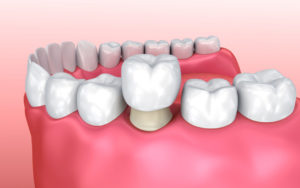
dental crown

While crowns are designed to stay securely in place, it is possible to lose them. However, it is not always easy for a crown to fall off. Here are some factors that might increase the likelihood of losing a crown:

  • Poor Oral Hygiene: If you don’t take care of your teeth and gums, plaque and bacteria can build up around the crown, which may weaken the bond between the crown and the tooth. This can make it easier for the crown to become loose.
  • Grinding or Clenching Teeth: If you grind or clench your teeth at night (a condition known as bruxism), this constant pressure can wear down the crown and cause it to come loose over time.
  • Eating Hard or Sticky Foods: Foods that are hard or sticky can put extra pressure on the crown, especially if you chew on the side of the mouth with the crown. Over time, this can contribute to a crown loosening.
  • Trauma or Injury: A sudden blow to the mouth, such as from a sports injury or accident, can cause a crown to come off. Crowns may also come off more easily if they are already compromised due to wear or decay.

While it’s not necessarily easy to lose a crown, factors such as poor oral hygiene, trauma, and teeth grinding can make it more likely.

Can I Reattach a Crown Myself?

If your crown falls off, you might be tempted to try and reattach it yourself. While it’s possible to temporarily hold the crown in place, it is not advisable to permanently reattach it on your own. Here’s why:

  • Temporary Solution: You can use over-the-counter dental cement to temporarily reattach the crown, but this is only a short-term fix. Dental cement can hold the crown in place for a few days, but it is not a permanent solution.
  • Proper Bonding: Your dentist has the proper materials and tools to bond the crown securely to the tooth. Trying to fix it yourself might result in an improper fit, which could cause pain or damage to the tooth.
  • Potential for Infection: If the crown is not properly reattached, bacteria can enter the exposed area, leading to infection or further damage to the tooth.

If your crown falls off, it’s best to contact your dentist as soon as possible. In the meantime, you can use dental cement as a temporary solution to protect the tooth.

What Should You Do If Your Crown Falls Off?

If your crown falls off, here are the steps you should take:

  1. Save the Crown: Keep the crown in a safe place and bring it with you to your dentist’s office. If the crown is damaged or broken, your dentist may need to create a new one.
  2. Clean Your Tooth: Gently clean the tooth underneath the crown with warm water and a soft toothbrush. Avoid using any harsh cleaning agents or scrubbing too hard.
  3. Protect the Tooth: If you can’t see your dentist right away, consider using over-the-counter dental cement to temporarily protect the exposed tooth. This can help keep the area clean and prevent damage.
  4. Avoid Eating: Try not to eat on the side where the crown fell off, especially if the tooth is exposed. Eating hard or sticky foods can cause further damage or pain.
  5. Call Your Dentist: Schedule an appointment with your dentist as soon as possible. They can assess the situation and determine whether the crown can be reattached or if a new one is needed.

Conclusion

While it is not common for dental crowns to fall off, it can happen for several reasons, including decay, trauma, or wear over time. If your crown falls off, it’s important not to panic. You can take steps to temporarily protect the tooth, but you should see your dentist as soon as possible. They will be able to assess the situation and determine the best course of action, whether that’s reattaching the crown or creating a new one. By following proper oral hygiene habits and avoiding habits like grinding your teeth, you can reduce the chances of losing a crown and keep your smile looking great for years to come.

Share this post:

A tooth abscess is a painful condition caused by an infection at the root of a tooth or in the surrounding gums. This type of infection can be very serious if not treated properly. Many people wonder how long a tooth abscess lasts, and whether it can go away on its own. In this article, we will explore how long a tooth abscess typically lasts, whether antibiotics can help, and why you should never ignore this kind of infection.

How Long Does It Take for a Tooth Abscess to Go Away?

holding mouth in pain

The length of time a tooth abscess lasts depends on several factors, such as how severe the infection is, whether it receives treatment, and the general health of the person affected.

Factors That Affect How Long a Tooth Abscess Lasts:

  • Severity of the Infection: A mild abscess might last a shorter time, but a more severe infection can last longer. If the infection is not treated, it can grow and cause additional health problems.
  • Treatment: If you go to the dentist and receive the proper treatment, such as draining the abscess or getting a root canal, the infection will likely go away within a few days to a couple of weeks.
  • Your Immune System: Some people have stronger immune systems, which can fight the infection more quickly. However, even with a healthy immune system, it is unlikely that an abscess will go away completely without professional treatment.
  • Location of the Abscess: Abscesses in different areas of the mouth may take longer to heal, especially if they are deeper within the gums or tooth root.

In general, if left untreated, a tooth abscess can last from a few days to several weeks. The pain might get worse as the infection spreads, which is why it’s important to seek dental care right away. The infection will not go away by itself, and it may lead to further complications if ignored.

Will Antibiotics Get Rid of a Tooth Abscess?

dentist holding x ray up to patient

Antibiotics are often prescribed to help control a tooth abscess by fighting the bacteria that caused the infection. While antibiotics are helpful in controlling the infection, they cannot get rid of the abscess on their own. In most cases, the abscess will not heal until the underlying issue is addressed.

What Antibiotics Do for a Tooth Abscess:

  • Control the Infection: Antibiotics work to reduce the number of bacteria and control the infection, which helps decrease pain and swelling.
  • Prevent the Infection from Spreading: Antibiotics can prevent the infection from spreading to other parts of your body, such as your jaw or bloodstream. This is especially important if the infection is severe.
  • Temporary Relief: While antibiotics help manage the symptoms of a tooth abscess, they don’t treat the underlying problem, which is usually a damaged tooth or infected gums. Once the antibiotic treatment is stopped, the infection might return.

What Antibiotics Don’t Do:

  • They Don’t Remove the Abscess: Antibiotics won’t drain the pus or remove the infection from the tooth or gum. Only a dental procedure, such as a root canal or extraction, can fully resolve the problem.
  • They Don’t Fix the Tooth: Antibiotics will not repair a decayed or damaged tooth that may be causing the abscess. A dentist will need to treat or remove the tooth to stop the infection from recurring.

Is It OK to Leave a Tooth Abscess?

Leaving a tooth abscess untreated is never a good idea. While it may seem like the pain might go away on its own, ignoring the infection can lead to serious complications.

What Can Happen If You Leave a Tooth Abscess Untreated?

  • The Infection May Spread: If left untreated, the infection can spread to other areas of the mouth, jaw, and even into the bloodstream, causing more severe problems like sepsis or infections in other organs.
  • Damage to Your Teeth and Gums: The bacteria in the abscess can eat away at the bone and gum tissue around the tooth, which can lead to tooth loss or long-term damage to your mouth.
  • Severe Pain and Swelling: The pain from a tooth abscess can get worse if left untreated. You might experience intense throbbing pain, swelling in your face or neck, and difficulty swallowing or breathing.
  • Chronic Infection: If the abscess is not treated, it could turn into a chronic infection that might never go away. Even though the pain may subside for a while, the infection could continue to damage your tooth and gums.

For all these reasons, it is crucial to see a dentist as soon as you notice signs of a tooth abscess. A dentist can properly diagnose the condition and recommend the right treatment to get rid of the abscess before it causes further damage.

How to Tell if an Abscess is Healing

After seeking treatment for a tooth abscess, it’s important to keep an eye on the healing process. Healing times may vary depending on the severity of the infection and the treatment received. Here’s what to look for to see if the abscess is healing properly:

Signs That an Abscess is Healing:

  • Pain Reduction: One of the first signs that the abscess is healing is that the pain starts to go away. The throbbing sensation should decrease, and you should no longer experience constant discomfort.
  • Decreased Swelling: The swelling around the abscess should start to go down. If the abscess was draining pus, the swelling should reduce as the infection heals.
  • No More Pus: If pus was draining from the abscess, you should notice that it stops once the infection has been treated and healing begins.
  • Normal Gum Color: Your gums should return to a healthy, pink color instead of looking red or inflamed. Swollen or red gums can indicate that the infection has not been fully resolved.
  • No More Fever: If you had a fever due to the infection, it should subside once the abscess is properly treated.

When to Be Concerned:

While most abscesses will start to heal after dental treatment, there are a few signs that may indicate complications. If you experience any of the following, contact your dentist:

  • Persistent Pain: If the pain doesn’t go away after a few days of treatment, or if it gets worse, this could mean that the infection is not healing properly.
  • Continued Swelling: If the swelling doesn’t go down or continues to spread, it might be a sign that the infection is still present.
  • Fever: A fever that doesn’t subside after treatment could be a sign that the infection has spread or is still active.
  • Difficulty Breathing or Swallowing: If you have trouble breathing or swallowing, this is a serious sign that the infection may have spread to other parts of your body. Seek immediate medical attention if this happens.

Conclusion

A tooth abscess is a serious dental problem that requires professional treatment. Although it may seem like the pain will go away on its own, an untreated abscess can cause severe health issues, including tooth loss, the spread of infection, and even life-threatening conditions like sepsis.

The duration of a tooth abscess depends on factors like severity, treatment, and overall health. While antibiotics can help control the infection, they are not enough to eliminate the abscess on their own. The infection must be treated by a dentist, who may perform a root canal, tooth extraction, or other procedures to fully resolve the problem.

If you have a tooth abscess, do not wait for it to go away on its own. Seek dental care as soon as possible to prevent further complications and to get on the path to healing. The sooner you address the problem, the quicker you can find relief and protect your long-term oral health.

Share this post:

A dental abscess is a painful infection that occurs around the root of a tooth or in the gums. It’s caused by bacteria that get trapped inside the tooth or the surrounding tissues, leading to swelling, pain, and sometimes a fever. A tooth abscess is a serious condition that needs attention, but many people wonder if it can go away on its own or if they must seek treatment. In this article, we’ll explore how long a tooth abscess can last, if it can heal on its own, and how you can tell if it’s healing. Let’s dive into these important questions.

How Long Do Tooth Abscesses Last?

tooth pain woman holding her jaw in pain

The length of time a dental abscess lasts depends on how severe the infection is and whether it receives treatment. If left untreated, a tooth abscess can persist for weeks or even months, often getting worse as the infection spreads.

Factors That Affect the Duration of a Dental Abscess:

  • Severity of the Infection: A minor abscess may last a shorter time than a more severe one. However, if not treated, it can grow in size and severity.
  • Location of the Abscess: An abscess located at the tip of the tooth root may be harder to treat and may last longer than one located in the gum area.
  • Your Immune System: People with strong immune systems might have a better chance of fighting off an infection on their own, but a dental abscess still typically requires treatment.

Without treatment, a tooth abscess can lead to serious health complications, including the spread of the infection to other parts of the body. It’s important to address the issue as soon as possible to prevent the infection from worsening.

Can a Tooth Abscess Heal on Its Own?

While your body might try to fight off a tooth abscess on its own, it’s unlikely that it will heal without professional dental treatment. In rare cases, an abscess may drain on its own, which can provide temporary relief from the pain, but the infection usually still remains in the tooth or surrounding area.

Why a Tooth Abscess Won’t Heal on Its Own:

  • Bacterial Infection: An abscess is a bacterial infection that typically won’t go away without treatment. The bacteria can continue to spread and worsen the infection.
  • Damage to the Tooth: An abscess can damage the tooth structure, leading to more serious issues like tooth loss or the spread of the infection.
  • Pain and Swelling: Even if the pain temporarily decreases, the infection can still cause long-term damage without intervention.

In most cases, dental treatment, such as a root canal or tooth extraction, is necessary to fully treat a dental abscess.

Will Antibiotics Get Rid of a Tooth Abscess?

Antibiotics can help control the infection caused by a tooth abscess, but they are not a cure on their own. Antibiotics can reduce the pain and swelling by fighting the bacteria, but they can’t remove the infection from the tooth. Only dental procedures can fully address the root cause of the abscess.

What Antibiotics Do:

  • Control the Infection: Antibiotics help reduce the number of bacteria in the infected area, making it easier for the body to fight the infection.
  • Prevent the Spread of Infection: Antibiotics can prevent the infection from spreading to other parts of your body, such as the jaw, neck, or bloodstream.

However, after taking antibiotics, you still need to see your dentist. The abscess may return if the underlying dental issue is not treated. For example, the infection may be trapped in the tooth’s root or gum tissue, and only a procedure like a root canal or extraction can resolve it fully.

Can You Get Rid of a Tooth Abscess Without Going to the Dentist?

Dentist cleaning teeth

It’s very risky to try and get rid of a tooth abscess without visiting the dentist. While some home remedies, such as warm saltwater rinses, may provide temporary relief, they will not cure the infection or remove the cause. Attempting to drain the abscess yourself or using unproven treatments can make the problem worse and lead to further complications.

Why You Shouldn’t Treat a Tooth Abscess at Home:

  • Risk of Spreading the Infection: Draining the abscess yourself can cause bacteria to spread to other parts of your mouth or body, leading to more severe health problems.
  • Inadequate Treatment: Home remedies like saltwater rinses can relieve discomfort, but they won’t eliminate the infection. Without proper dental treatment, the abscess can come back.
  • Potential for Serious Complications: If left untreated, a tooth abscess can cause more serious conditions, such as bone loss, tooth loss, and even infections that can spread to the bloodstream.

The best way to handle a dental abscess is to see a dentist who can assess the situation and provide the appropriate treatment. This may include draining the abscess, performing a root canal, or extracting the affected tooth.

How to Tell if an Abscess is Healing

Once a tooth abscess is treated by a dentist, it’s important to monitor the healing process to make sure everything is going well. If the abscess was drained or treated with a root canal, you’ll want to know the signs of proper healing to avoid further complications.

Signs That an Abscess is Healing:

  • Decreased Pain: One of the first signs that an abscess is healing is a reduction in pain. The pressure in your mouth should start to go down, and the sharp pain should lessen.
  • Reduced Swelling: Swelling around the affected tooth should gradually decrease. If the swelling persists, it could indicate that the infection hasn’t been fully resolved.
  • No More Pus: If there was pus draining from the abscess, you should notice that it stops once the infection is healing.
  • Normal Gum Color: Your gums should return to their normal color. Red or swollen gums can be a sign that the infection is still present or returning.
  • No More Fever: A fever caused by an infection should go away as the abscess heals.

It’s important to follow your dentist’s instructions after treatment to ensure the abscess heals correctly. In some cases, the abscess may come back if the underlying issue isn’t fully addressed.

When to See a Dentist for a Tooth Abscess

If you think you have a dental abscess, it’s important to see a dentist as soon as possible. While there are some ways to manage the pain temporarily, such as using pain relievers or rinsing with saltwater, these remedies do not treat the infection itself. Only a dentist can determine the severity of the abscess and recommend the right treatment.

Signs You Need to See a Dentist:

  • Severe Pain: If you experience constant or intense pain that doesn’t go away with over-the-counter pain relievers, you need to see a dentist immediately.
  • Swelling or Fever: If the swelling is not going down or if you develop a fever, this could indicate that the infection is spreading.
  • Difficulty Swallowing or Breathing: If you have trouble swallowing or breathing, this could be a sign of a serious infection that requires immediate medical attention.

A dental abscess is not something you want to ignore. Even if the pain or swelling goes away on its own, the infection can still cause serious health problems down the road.

Conclusion

A dental abscess is a serious infection that requires professional dental treatment to fully heal. While antibiotics can help manage the infection temporarily, they won’t get rid of the abscess completely. Home remedies and attempting to treat the abscess yourself can be risky and may lead to more complications. It’s important to see a dentist if you suspect you have a tooth abscess to get the proper care. Once treated, you can look for signs like decreased pain, reduced swelling, and no more pus to know that the abscess is healing. The key is to get timely treatment and follow your dentist’s advice to ensure a full recovery and avoid future dental issues.

Share this post:

Happy Holidays, From Our Family To Yours!

Our offices will be closed from December 24th through December 29th to celebrate the holidays. We’ll be back and ready to assist you on Monday, December 30th.

We wish you a joyous holiday season and a Happy New Year!