Stephanie Klein, Author at Lane & Associates - Page 2 of 18

If you’ve recently started using whitening strips or considering them, one question probably comes up a lot: Should you brush your teeth after using them? The short answer? It depends. But don’t worry—we’ll break it all down for you, so you get the best results from your whitening routine while keeping your smile healthy and bright.

We’ll also share a few extra tips for getting the most out of teeth whitening and maintaining good oral hygiene. And remember, if you want professional results or advice, a visit to Lane & Associates Family Dentistry is always a smart move!
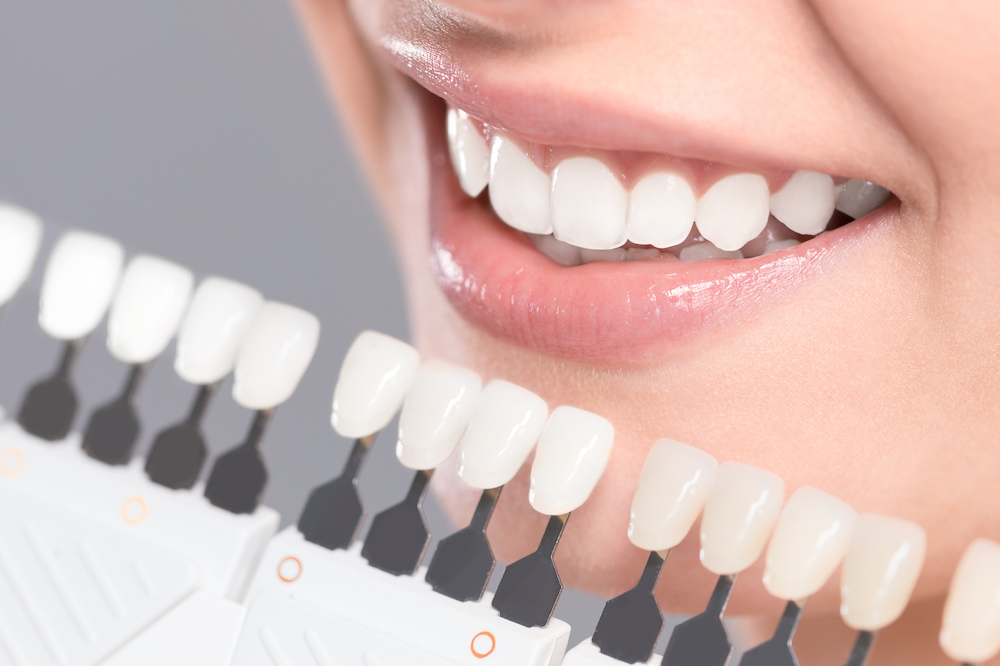
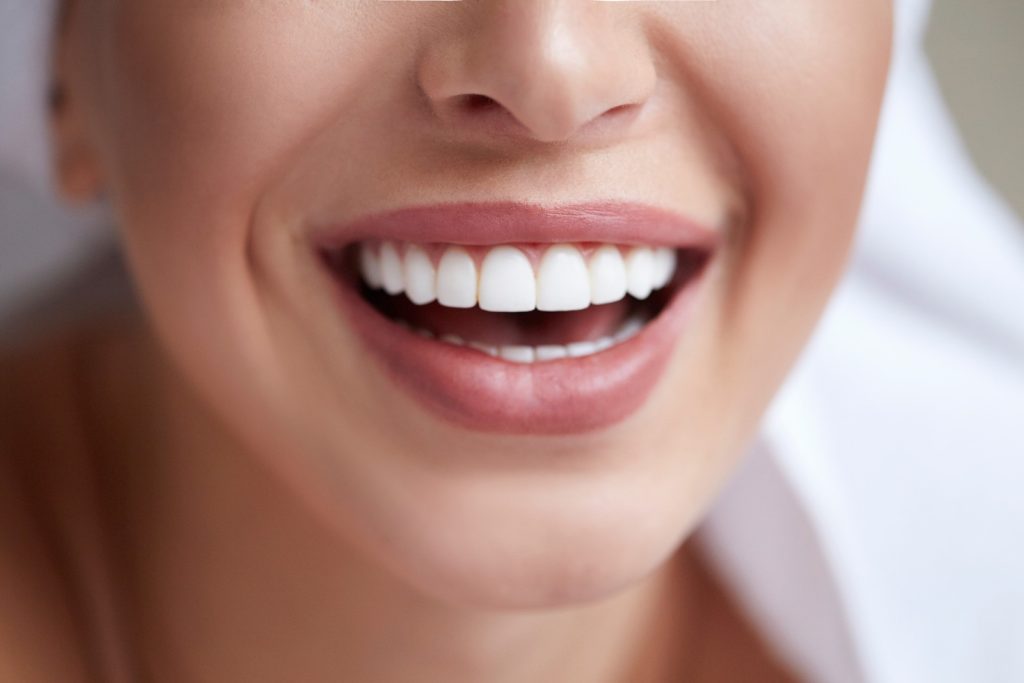
Woman smiling with bright white teeth next to shades of tooth colors at the dental office


How Long Should You Wait To Brush Your Teeth After Whitening Strips?

Most dental experts recommend waiting 30 minutes before brushing your teeth after using whitening strips. Why, you ask? Whitening strips contain active ingredients like hydrogen peroxide or carbamide peroxide that penetrate the enamel to lift stains. Brushing too soon can disrupt this process and might even remove some of the whitening gel. Worse, scrubbing right after can irritate your teeth and gums, especially if you’ve got some sensitivity.

What If You Can’t Wait?

If you feel the need to clean your teeth after using strips, rinsing with water can be a good middle ground. A simple rinse can flush away any leftover gel without interfering with the whitening agents or causing irritation.

Brushing Before or After Whitening Strips?

Another common question is: Should you brush before or after using whitening strips? Here’s what we recommend:

Brushing Before

Brushing beforehand clears away plaque and debris, giving the whitening strips direct access to your enamel. This step makes the treatment more effective and helps ensure even results. Just make sure to wait a few minutes after brushing before applying the strips, as this gives your saliva time to naturally protect your teeth.

Brushing After

If you prefer brushing after whitening, remember to follow the 30-minute rule. Opt for a soft-bristled toothbrush and non-abrasive toothpaste to avoid irritation, especially if you’re prone to sensitivity.

Above all, always follow the directions provided on the packaging for your particular whitening strips. Some brands may have their own unique instructions.

Dental care

Morning or Night? When’s the Best Time To Use Whitening Strips?

Deciding between morning or night comes down to personal preference and your daily routine. Here are a few things to keep in mind:

  • Morning Users: If you like starting your day with a fresh, bright smile, morning is a great time. Just avoid eating or drinking anything (except water) immediately afterward to keep your teeth stain-free.
  • Night Owls: Using strips at night can be more convenient if you’re winding down and won’t be snacking or sipping coffee afterward. It gives the whitening agents more uninterrupted time to set.

There’s no universal “best” time; consistency is what truly matters for achieving a gleaming smile.

Tips for Safer Whitening at Home

Whitening strips are a popular at-home solution, but it’s essential to use them carefully. Here are some tips for a safe and effective whitening experience:

  1. Follow the Instructions: Read and stick to the guidelines on your specific product. Overusing whitening strips won’t speed up results and can actually harm your enamel.
  2. Manage Sensitivity: If you experience sensitivity while whitening, try skipping days between treatments or using a toothpaste designed for sensitive teeth.
  3. Protect Your Gums: Be careful not to overlap the strips onto your gums, as this can cause irritation or redness.
  4. Combine with Professional Advice: If you’re unsure whether whitening strips are right for you, consult a dentist. At Lane & Associates, our team can recommend products or treatments tailored to your needs.

Teeth Whitening Systems

Why Professional Whitening Could Be Your Best Bet

While whitening strips are convenient and budget-friendly, they might not deliver the same results as professional treatments. That’s where a dentist can come in handy! Lane & Associates offers professional whitening options that are both safe and highly effective. With treatments administered by dental experts, you can enjoy a dazzling smile with minimal sensitivity or irritation.

Professional cosmetic dentistry and whitening also allows us to target stubborn stains, discoloration caused by factors like coffee, wine, smoking and other imperfections. Plus, we can make recommendations on how to maintain your white smile long-term.

Maintain a Radiant Smile Year-Round

Whitening your teeth is just the first step. Keep your smile looking its best with these easy tips:

  • Maintain good oral hygiene and brush twice a day with a fluoride toothpaste.
  • Floss daily to remove plaque that toothbrushes can’t reach.
  • Limit stain-causing foods and beverages like coffee, tea, and red wine.
  • Visit your dentist regularly for cleanings and check-ups.

At Lane & Associates Family Dentistry, we’re here to help with all your dental needs—from routine care to advanced cosmetic treatments. If you’re ready to upgrade your smile, why not book a visit today?

Exterior Office

Schedule Your Appointment Today!

Taking care of your teeth is about more than just whitening. It’s about maintaining good oral health so your smile stays vibrant and healthy for years to come. Have questions or need professional whitening? Lane & Associates Family Dentistry has locations across North Carolina to serve you.

Book your appointment today and take the first step toward your best, brightest smile! Call 1-877-LANE-DDS or use our online contact form to find a location near you.

Your dazzling smile is just one visit away.
Share this post:

Going to the dentist can bring up all sorts of questions, especially when it comes to the feeling you’re left with after a procedure. That “rubber-face” sensation, the slurred speech, the unintentional biting of your cheek or tongue without even realizing it—we’ve all been there.

But what’s really happening when your dentist numbs your mouth, and how long will it take to feel normal again? This guide breaks it all down for you, whether you’re getting ready for treatment or just curious to learn more. Plus, we’ll share why Lane & Associates Family Dentistry is the perfect place to make your dental care stress-free and pleasant.


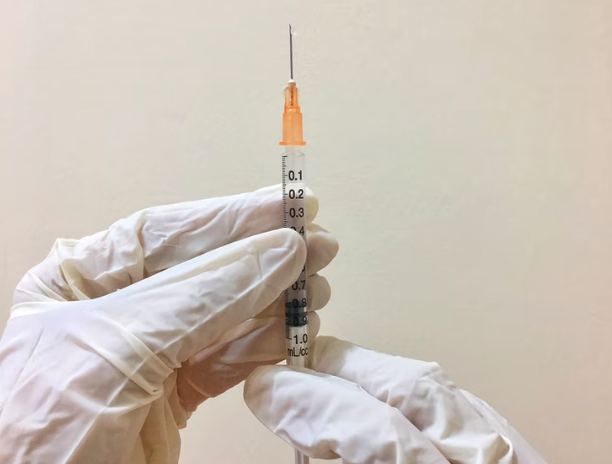
novocaine needle


How Long Will Numbing Last?

The short answer? Dental numbness typically lasts 1 to 3 hours, but it can sometimes stick around for 4 to 6 hours depending on a few factors. These include:

  • The type of anesthetic your dentist used
  • The location of the injection
  • Your age, weight, and overall health
  • How quickly your body metabolizes the anesthetic

For example, certain anesthetics, like those used during root canals or tooth extractions, are designed to last longer to get you through lengthier procedures.

However, if it feels like the numbness is wearing off too slowly or it persists beyond 24 hours, that’s your cue to call the dentist for a quick check-in.

At Lane & Associates, we assess every patient carefully and tailor the type and amount of anesthesia to fit your needs perfectly. Your comfort and safety always come first!

Does It Ever Go Away Faster?

Yes! Your body will naturally metabolize the anesthetic over time, but your recovery can sometimes be sped up. More on that in the post-procedure care tips below!


The Science Behind Local Anesthesia

Ever wonder how local anesthesia actually works? The secret lies in how it interacts with your nervous system. Before getting into the nitty-gritty, think about what normally happens when you feel pain. Your brain gets signals from your nerves—for example, “Ouch, I just banged my elbow.”

Local anesthesia temporarily blocks those signals from traveling to your brain. Essentially, it disrupts the communication between the affected nerves and your brain, keeping you pain-free while your dentist works.

Types of Local Anesthesia

There are two main kinds of local anesthetics used during dental visits:

  1. Topical Anesthesia
    This is applied directly to the surface of your gums, usually with a gel or spray, to numb the area before an injection. It minimizes the sting from the needle.
  2. Injectable Anesthesia
    This is the more common type for procedures like fillings or extractions. Injected directly near the nerve, it blocks sensations in the surrounding area until the procedure is complete.

Science aside, isn’t it amazing how far dentistry has come? Say goodbye to the days of enduring tooth pain during dental treatments.


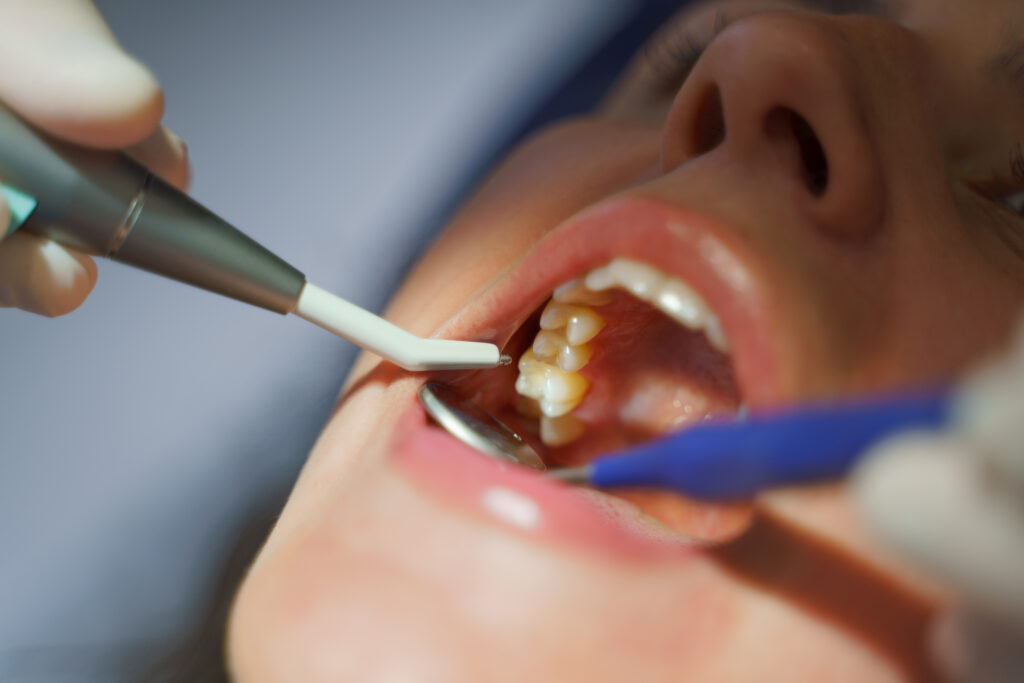
dental exam

Common Dental Procedures Requiring Numbing

If you’re headed into a dental procedure and aren’t sure if numbing will be involved, here are some common examples where local anesthesia is used:

1. Fillings Services

Treating cavities involves removing decay, which can be sensitive without numbing. Your dentist will numb the area before getting started so you won’t feel a thing.

2. Crowns & Bridges

When capping a damaged tooth, numbing is often used during the process of reshaping the existing tooth and fitting the new crown.

3. Root Canals

A root canal gets rid of infected tissue in the tooth’s nerve chamber. Sounds intimidating, but with local anesthesia, you’ll feel surprisingly comfortable.

4. Tooth Extractions

The idea of pulling a tooth might seem scary, but strong numbing agents ensure you won’t feel any pain, just some pressure.

5. Gum Treatments

For gum disease treatments, numbing keeps sensitive gum tissue from becoming irritated during the procedure.

Each of these procedures might sound complex or uncomfortable, but rest assured Lane & Associates prioritizes painless dentistry. We’ll walk you through what to expect during your visit so there are no surprises.


Procedures That May Not Require Numbing

Not every dental procedure requires local anesthesia. Here are some treatments where you’re likely to stay numb-free:

  • Teeth Cleanings: Unless there’s significant tartar buildup causing sensitivity, cleanings are often harmless and pain-free.
  • X-rays: A snap of your teeth here, an image there, and you’re good to go. No numbing necessary.
  • Teeth Whitening: Whether you’re working toward sparkling white teeth in-office or at home, whitening typically causes only mild sensitivity.

If you’re someone who gets nervous even about smaller procedures, Lane & Associates offers ways to help you feel more at ease—from answering all your questions to using optional numbing aids during cleanings if needed.


dental cleaning

Common Myths About Dental Numbing

Myth 1: Getting Numb Hurts

Many people assume the needle’s sting will be unbearable, but that’s usually not the case. Dentists use topical numbing gel on your gums before injecting, so all you feel is a small pinch.

Myth 2: Numbing Doesn’t Work for Everyone

Modern anesthetics are incredibly effective. If you feel like it’s not kicking in, your dentist can adjust the dosage or try another technique to improve your comfort.

Myth 3: The Feeling Takes Forever to Wear Off

While it may feel like you’ll be numb forever, the sensation wears off faster than you think. And if necessary, there are steps you can take to help speed things along.

Don’t believe the rumors; ask your dentist about any concerns and get the facts straight!


How to Reduce Numbing Side Effects

If you’re eager to get rid of the numbness and return to normal, here are a few practical tips:

  1. Stay Hydrated: Drinking water can help flush the anesthetic out of your system faster.
  2. Use Warm Compresses: Once your dentist gives you the green light, gently applying warmth outside your cheek can stimulate blood flow.
  3. Engage in Light Activity: Walking or mild movement boosts circulation, which can help speed things up.
  4. Avoid Alcohol: It’s best to stay clear of alcohol while your body processes the anesthesia.

And remember to avoid chewing! It’s easy to accidentally bite your cheek, lip, or tongue when you can’t feel what’s happening. Soft, non-chewy foods are your best bet until full sensation is back.


Why Lane & Associates is Your Go-To for Comfortable Dental Care

At Lane & Associates Family Dentistry, we make your comfort our mission. We’ve spent over 40 years perfecting our patient-first approach, from using the latest dental technologies to creating a welcoming atmosphere.

Here’s Why Patients Trust Us:

  • Wide Range of Services: From general care to more specialized treatments, we’ve got everything your smile needs under one roof.
  • Customized Comfort Options: Anxious about your visit? We offer sedation options for a truly stress-free experience.
  • Convenient Locations: With offices throughout North Carolina, Lane & Associates makes visiting your dentist easier than ever.

Your smiles are our passion, and we want to help you feel confident every step of the way.

Don’t Wait to Put Your Smile First

Whether it’s preventive care or more advanced procedures, Lane & Associates is ready to help. Visit Lane & Associates today to schedule your appointment and experience dental care tailored just for you.


Final Thoughts

Numbing at the dentist doesn’t have to be confusing or intimidating. When you understand what’s happening and why, it’s easier to feel relaxed knowing you’re in experienced hands. At Lane & Associates, we’re here to make every visit smooth and comfortable with expert care that puts you first.

Take the next step for your oral health today. Schedule an appointment with us and discover why so many families trust Lane & Associates for their dental needs. We can’t wait to see you smile!


Share this post:

Who doesn’t love a bright, confident smile? Teeth whitening strips have become a go-to solution for many people looking to enhance their smiles in an easy and affordable way. But before you tear open that box of whitening strips, it’s important to know how to use them properly to avoid mistakes and get the best possible results.

Here’s everything you need to know about whitening strips—from how to apply them to tips for maximizing their effectiveness. By the end of this blog, you’ll feel confident and ready to brighten your smile while keeping your teeth healthy.

What Are Whitening Strips and How Do They Work?

Whitening strips are thin, flexible strips coated with a gel that contains peroxide, the active ingredient that whitens your teeth. Peroxide works by breaking down stains on the enamel, the outer layer of your teeth, to reveal a whiter, brighter surface. These strips are designed to conform to the shape of your teeth, making them effective and relatively easy to use.

The best part? You don’t need a dentist’s appointment or complicated tools to get professional-looking results. Whitening strips are a convenient, over-the-counter option for at-home whitening, perfect for people with busy schedules or tight budgets.

That said, using them incorrectly can lead to uneven whitening or even tooth sensitivity. That’s why understanding the process is crucial!

Woman smiling with bright white teeth next to shades of tooth colors at the dental office

Step-by-Step Guide on How to Use Whitening Strips

1. Start with Clean, Dry Teeth

Before applying whitening strips, it’s essential that your teeth are clean and dry. Brush and floss your teeth to remove particles that might block the gel from working effectively. Then, gently dry your teeth using a soft cloth or a tissue. Moisture can make the strips less adhesive and reduce their effectiveness, so don’t skip this step.

2. Peel and Align the Strips

Carefully peel the whitening strip off its backing, exposing the gel side. Align the strip with your teeth, making sure it covers all surfaces you want to whiten. Press it down firmly to ensure full contact with your teeth and smooth out any bubbles or folds.

Want the best results? Work carefully to avoid overlapping strips or leaving gaps between teeth.

3. Wait the Recommended Time

Every brand has its own timing recommendations, typically between 30 minutes to an hour. It’s tempting to leave the strips on for longer, but resist the urge! Overusing whitening products can increase sensitivity and won’t necessarily give you brighter teeth.

4. Remove the Strips and Rinse

When the time is up, gently peel off the strips and dispose of them. Rinse your mouth thoroughly to remove any leftover whitening gel. Avoid brushing your teeth immediately after use to minimize irritation, especially if your teeth feel sensitive.

5. Repeat as Directed

Most whitening strip kits suggest daily use for 1 to 2 weeks. Following the full treatment plan is key to achieving and maintaining noticeable results.

Dos and Don’ts of Using Whitening Strips

Now that you know the basic process, here are some additional tips to help you avoid common mistakes and maximize your results.

Do:

  • Follow the Instructions: Always read and follow the manufacturer’s guidelines for application time and duration of use.
  • Store Strips Properly: Keep them in a cool, dry place to ensure the gel stays effective.
  • Maintain Consistency: Use the strips daily for the recommended treatment period to see lasting results.
  • Pair with Good Oral Hygiene: Brushing and flossing are essential for maintaining your white smile after treatment.
  • Pay Attention to Timing: Choosing to use strips at night can help keep your teeth free from foods or drinks that might re-stain them during the day.

Don’t:

  • Brush Too Hard Before Application: Aggressive brushing can wear away enamel and increase sensitivity. Use a gentle hand and a soft-bristled toothbrush.
  • Use More Strips Than Recommended: Doubling up or using strips back-to-back won’t speed up the whitening process and can harm your teeth and gums.
  • Consume Stains During Treatment: While whitening strips work, steer clear of coffee, tea, red wine, and tobacco, which can counteract their effects.
  • Skip Consulting Your Dentist: If you’re unsure whether whitening strips are safe for you, consult your dentist for advice, especially if you have dental work like crowns or fillings.


Closeup of Teeth Whitening

What to Expect While Using Whitening Strips

Can Whitening Strips Cause Sensitivity?

It’s not uncommon to experience mild tooth sensitivity or gum irritation during whitening treatments. This usually subsides quickly after you finish your treatment. To minimize discomfort, use toothpaste designed for sensitive teeth and follow the instructions carefully.

How Long Does It Take to See Results?

Some people notice a difference after just a few applications, while others need to complete the full course to see results. Factors like the severity of stains and your natural tooth color can affect how quickly you notice a change.

How Long Do Results Last?

The longevity of your whitening results depends on your lifestyle. You can expect whiter teeth for around 6 months to a year, but avoiding staining foods and beverages can help extend your results. Regular touch-ups can also keep your smile bright.

Alternatives and Enhancements to Whitening Strips

While whitening strips are a fantastic option, they’re not the only tool in the whitening toolbox. Depending on your needs, one of the following options might also be worth exploring:

  • Professional Whitening Treatments: Available through your dentist for quicker, more dramatic results.
  • Whitening Toothpaste: Great for maintenance but unlikely to remove deep stains.
  • Custom Whitening Trays: These offer a more personalized fit and are available through your dentist.
  • At-Home Laser Kits: A pricier option but can provide quicker results when used with whitening gels.


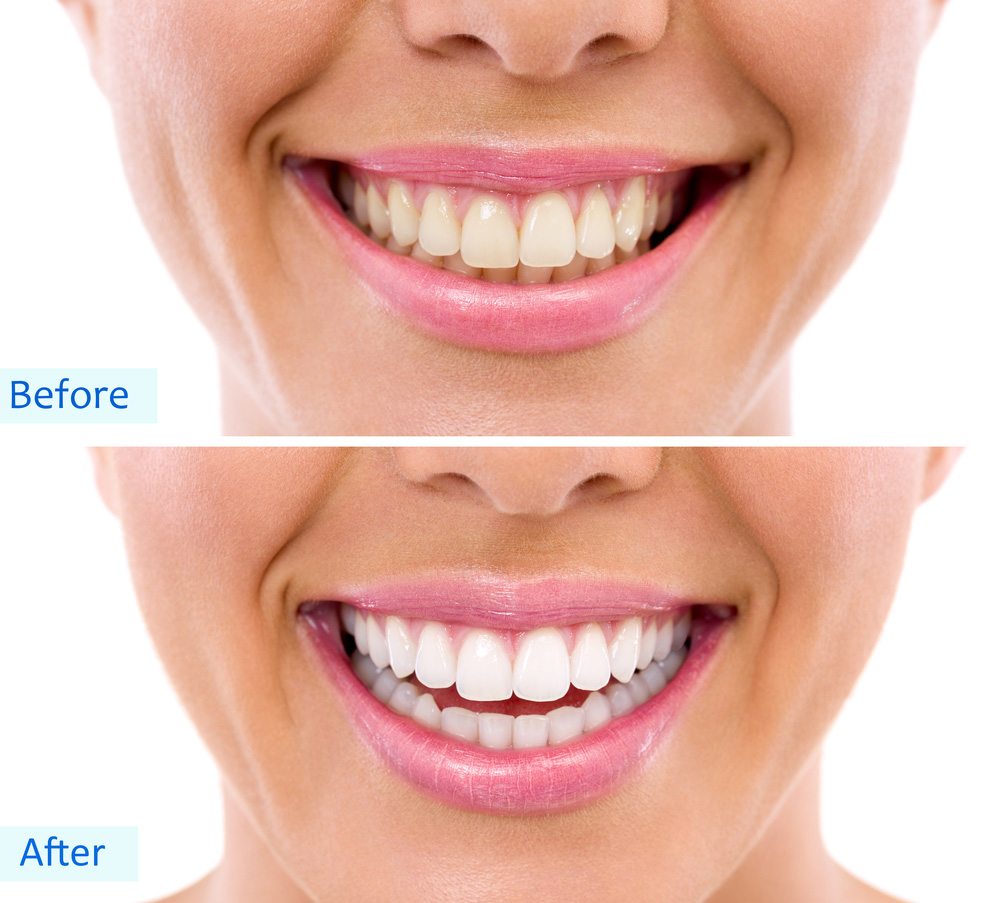
Before and After Teeth Whitening Photo

Final Thoughts

Whitening strips are an accessible and effective way to brighten your smile as long as you use them correctly and follow proper precautions. By keeping your teeth clean, adhering to instructions, and avoiding common mistakes, you can achieve professional-level whitening from the comfort of your home.

Remember, whitening is just one part of oral care. Maintaining overall dental health through regular brushing, flossing, and dental check-ups is crucial for preserving your sparkling smile.

If you have any questions or concerns about whitening strips or maintaining your oral health, don’t hesitate to reach out to Lane and Associates Family Dentistry. Our team of dental professionals is here to help you achieve and maintain a smile you’re proud of!

Smile confidently and brightly—with just a bit of effort and care, a radiant smile is within your reach.

Share this post:

Closeup of Teeth Whitening

Gum recession is a common concern for many people and can be alarming when it starts to happen. It may make your teeth appear longer, create sensitivity, or even put your dental health at risk if left unaddressed. If you’ve noticed your gums receding, you might wonder, “Can gums grow back after receding?”

The short answer is no, gums do not naturally grow back once they have receded. However, there are effective steps you can take to prevent further recession and treatments to restore your gum health. By understanding the causes, prevention, and solutions for gum recession, you can better care for your smile and avoid future issues.

What Causes Gum Recession?

Receding gums don’t happen overnight. There are various factors that can lead to this condition, including lifestyle habits and oral health issues. Identifying the cause is often crucial for finding the right solution.

Common Causes of Gum Recession

  1. Gum Disease: One of the most common causes of gum recession is periodontal (gum) disease. This bacterial infection damages the gums and supporting structures, gradually causing them to pull away from the teeth.
  2. Aggressive Brushing: Brushing too hard or using a toothbrush with stiff bristles can wear away your enamel and irritate your gums, leading to recession over time.
  3. Teeth Grinding or Clenching: These habits can put excessive pressure on your teeth, causing the gums to recede.
  4. Smoking or Tobacco Use: Tobacco products increase the risk of gum disease and impair your gums’ ability to heal properly.
  5. Hormonal Changes: Shifts in hormones, such as during pregnancy or menopause, can make gums more sensitive and vulnerable to recession.
  6. Poor Oral Hygiene: Not brushing and flossing regularly allows plaque and tartar to build up, which can eventually cause gum recession.
  7. Genetics: Some people are simply more prone to gum issues due to their genetic makeup.

Understanding the root cause of your gum recession is the first step toward effective treatment and prevention.

dental exam

Can Gum Recession Be Reversed?

While receded gums cannot regenerate on their own, there are treatments and strategies that can help protect your teeth, stop further damage, and even restore some of the lost gum tissue.

Non-Surgical Options

  1. Improving Oral Hygiene: Committing to brushing twice a day with a soft-bristled toothbrush and flossing daily ensures you remove plaque and prevent further gum issues. Pair your routine with a water flosser for a thorough cleanup along the gumline.
  2. Regular Dental Cleanings: Seeing your dentist for professional cleanings every six months is crucial. These visits remove tartar buildup, which you can’t reach with regular brushing and flossing.
  3. Desensitizing Toothpaste: If sensitivity is an issue, using a toothpaste designed for sensitive teeth can help protect exposed roots and reduce discomfort.
  4. Orthodontic Adjustments: If misaligned teeth or bite issues are causing undue stress on your gums, orthodontic treatment may help alleviate the problem.


Preventing Gum Recession

Prevention is always better than cure, and protecting your gums from recession starts with good oral hygiene and healthy habits.

Daily Practices for Healthy Gums

  1. Brush Gently Twice a Day: Use a soft-bristled toothbrush and fluoridated toothpaste, and focus on cleaning the gumline without using too much force. Proper brushing technique makes all the difference.
  2. Floss Every Day: Flossing removes plaque and food particles from between your teeth and along the gumline, where a toothbrush can’t reach.
  3. Use a Water Flosser: Water flossers are excellent for gently flushing out debris and bacteria from hard-to-reach areas, especially if you have sensitive gums or dental work like braces.
  4. Rinse with an Antibacterial Mouthwash: Incorporating mouthwash into your daily routine can help reduce plaque and fight bacteria that cause gum disease.

Avoiding Sugary Snacks

Frequent snacking on sugary treats without brushing afterward can contribute to plaque buildup, leading to gum problems. If you’re craving something sweet, try to eat it alongside a meal, when saliva production is higher and better for rinsing away sugars. And if you can’t brush your teeth right away, rinse your mouth with water to minimize the effects of sugar on your teeth and gums.

Regular Dental Visits

Scheduling checkups and professional cleanings every six months allows your dentist to catch early signs of gum problems and provide preventative care. These appointments are also an opportunity to discuss any concerns or ask about effective dental tools and techniques.

Lifestyle Habits to Avoid

  1. Stop Smoking: Tobacco use is one of the leading causes of gum disease, so quitting can significantly improve your oral health.
  2. Avoid Stress-Induced Teeth Grinding: Use a night guard if you grind your teeth in your sleep, as this habit puts unnecessary pressure on your gums.


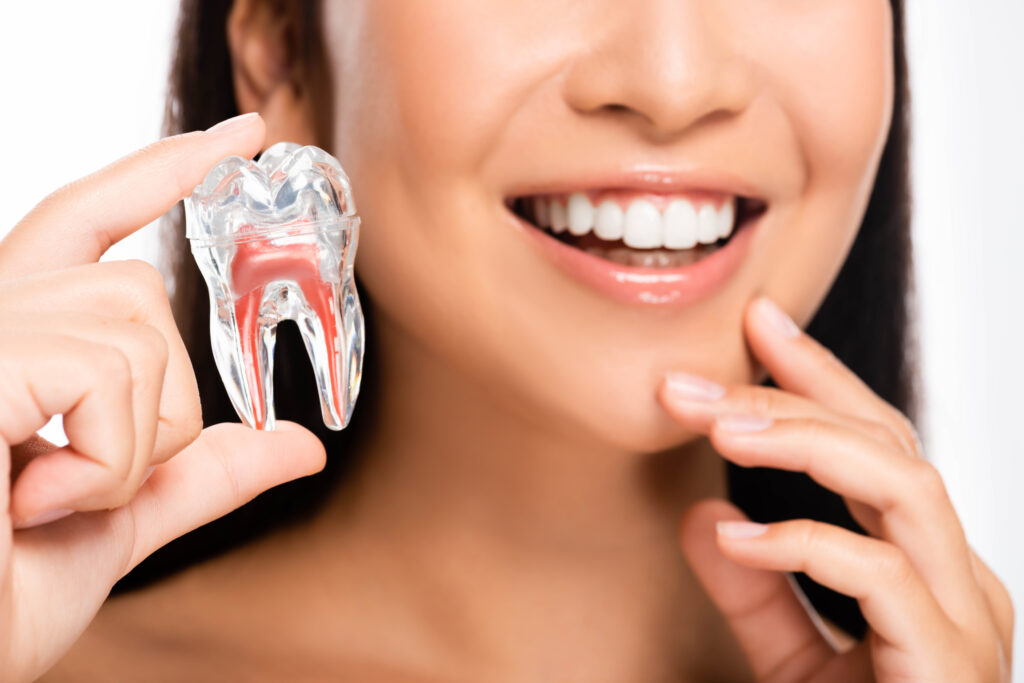
cropped view of smiling woman holding tooth model isolated on white

Why Treatment Matters

Ignoring gum recession can lead to serious complications, including tooth loss, bone loss, and increased sensitivity. Receding gums can also leave your teeth more vulnerable to decay. Early action can prevent these issues and help you maintain a healthier smile.

Final Thoughts

While gums don’t grow back naturally after receding, there are many effective ways to restore and protect your oral health. By adopting a consistent oral hygiene routine, including brushing twice daily, flossing daily, using a water flosser, and visiting your dentist every six months, you can prevent further recession and keep your gums healthy.

If you’re concerned about gum recession or want to learn about advanced treatment options, don’t hesitate to contact Lane and Associates Family Dentistry. Our compassionate team of dental professionals is here to assess your needs and provide personalized solutions.

A healthier, brighter smile is within reach—with the right care and support, you can protect your gums and enjoy long-lasting dental health!

Share this post:

A bright, white smile can boost your confidence, but choosing the right whitening method is key to achieving long-lasting results. With so many options on the market, it can be hard to decide between at-home whitening methods and professional treatments. Below, we’ll take a closer look at these techniques, compare their effectiveness and longevity, and help you determine what’s best for you.

At-Home Whitening Methods

At-home teeth whitening methods are popular because they’re convenient and affordable. Two of the most common options are whitening strips and LED whitening kits.

Whitening Strips

Whitening strips are thin, flexible strips coated with a peroxide-based gel. You apply them directly to your teeth for a set period, usually 20-30 minutes per day, over a couple of weeks.

Pros:

  • Easy to use and widely available.
  • Relatively inexpensive compared to professional treatments.

Cons:

  • Results can be uneven if the strips don’t fully adhere to your teeth.
  • Whitening may take weeks to achieve noticeable results.
  • The effects typically last around 6 months, depending on diet and oral care.

If you use whitening strips, always follow the instructions closely to achieve the best results. For tips on when to brush after using them, check out this guide.

LED Whitening Kits

LED whitening kits combine a whitening gel with a light device to accelerate results. You apply the gel to your teeth and use the LED light to enhance the process.

Pros:

  • Quicker results than strips, often within a week.
  • Easy to use from the comfort of home.

Cons:

  • Results may not be as dramatic or long-lasting as professional treatments.
  • The effectiveness can vary depending on the brand and product quality.
  • Maintenance is required to keep your teeth white, and results typically fade within 6-12 months.

LED kits are great for a quick touch-up, but understanding their effectiveness compared to professional options is key.

Professional Whitening Treatments

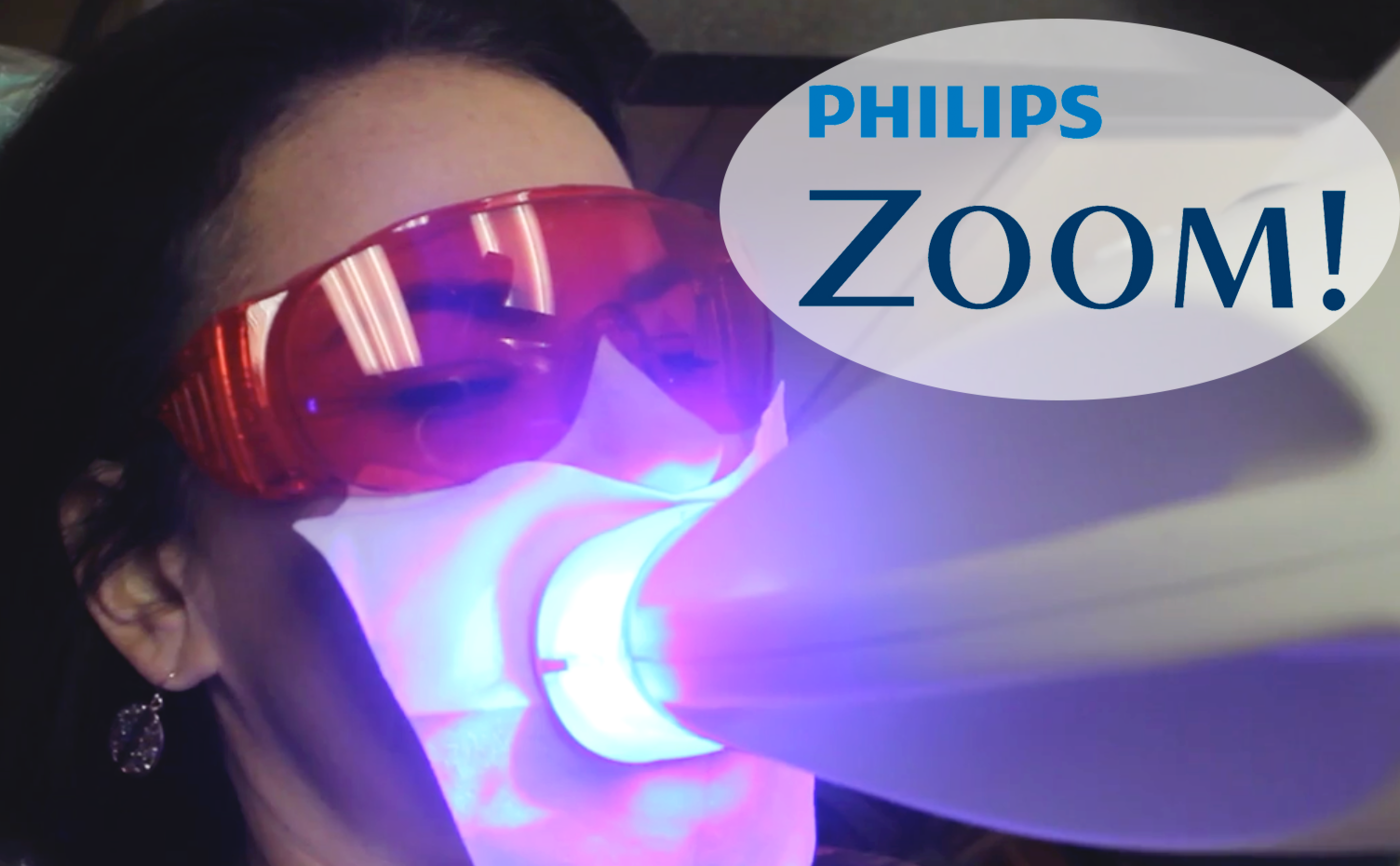
Professional teeth whitening, like Zoom! Whitening, is performed by a dentist and offers faster, more dramatic, and longer-lasting results compared to at-home options.Zoom Teeth Whitening

Zoom! Whitening

Zoom teeth whitening is a popular in-office treatment that uses a powerful gel activated by an LED light. The entire process is completed in about 90 minutes, delivering teeth that are up to 8 shades lighter in just one visit.

Pros:

  • Immediate and noticeable results in just one session.
  • Professional application ensures even whitening and minimizes risks.
  • Results can last 1-3 years with proper maintenance.

Cons:

  • Higher upfront cost compared to at-home methods.
  • Mild sensitivity may occur after treatment.

Zoom! Whitening is ideal for busy individuals or special occasions like weddings. Plus, Lane & Associates provides take-home whitening trays for maintaining results.

 Key Differences Between At-Home and Professional Whitening

Feature At-Home Methods Professional Whitening
Cost Most affordable Higher initial cost
Effectiveness Moderate, varies by brand Consistently high
Longevity 6-12 months 1-3 years
Convenience Do it yourself at home One quick visit
Suitability Mild to moderate stains Severe staining

Why Lane & Associates Is a Trusted Provider

When it comes to brightening your smile, the right provider can make all the difference. Lane & Associates Family Dentistry is a trusted name in North Carolina for professional teeth whitening and other cosmetic dental services. Here’s why patients choose Lane & Associates for their whitening needs:

  • Experience: With decades of service, their team of dental professionals ensures your safety and comfort during any whitening procedure.
  • Personalized Care: They tailor treatments to your specific needs, ensuring the best possible results.
  • Convenience: With multiple locations across North Carolina, you can find an office near you for easy scheduling.

Which Option Is Right for You?

Both at-home and professional teeth whitening techniques have their benefits. At-home methods are great for minor touch-ups or those on a budget, while professional treatments like Zoom! Whitening offer faster, more dramatic, and longer-lasting results.

If long-lasting results and professional care are your priorities, consider booking an appointment with Lane & Associates Family Dentistry. Visit their Zoom! Whitening page to learn more and take the first step toward a brighter smile!


Share this post:

When it comes to enhancing your smile, there are numerous dental options to choose from. Among the most popular are porcelain veneers, composite veneers, and crowns. Each offers unique benefits and caters to specific dental needs. At Lane & Associates Family Dentistry, we’re dedicated to helping you make the best decision for your dental health and cosmetic goals. Let’s explore the differences, advantages, and ideal scenarios for porcelain veneers, crowns, and composite veneers to find the perfect solution for you.

Understanding Porcelain Veneers

Porcelain veneers are thin, custom-designed coverings that adhere to the front of your teeth. Made from high-quality porcelain, they are prized for their durability and lifelike appearance. Porcelain veneers are often chosen to correct:

  • Discolored or stained teeth
  • Minor misalignments or spacing issues
  • Chipped, cracked, or worn teeth
  • Uneven or irregularly shaped teeth

Why Choose Porcelain Veneers?

  1. Natural Look: The porcelain material closely resembles natural enamel, creating a flawless, bright smile.
  1. Durability: With proper care, porcelain veneers can last 10-15 years or longer, resisting stains and discoloration.
  1. Transformative Results: They address multiple cosmetic concerns in one procedure, making them an excellent choice for a complete smile makeover.

Are Porcelain Veneers Right for You?

Porcelain veneers are ideal for individuals seeking a long-term cosmetic solution to significantly enhance their smile. While the process typically involves two visits since the veneers must be custom-crafted, patients are rewarded with stunning results. Interested in porcelain veneers? To learn more visit our Lane & Associates Porcelain Veneers page.

What Are Dental Crowns?

Unlike veneers, which cover only the visible front of the teeth, crowns fully encase an entire tooth. Dental crowns are primarily designed to restore the strength, function, and appearance of damaged or weakened teeth. Common reasons for crowns include:

  • Extensive tooth decay
  • Cracked or fractured teeth
  • Teeth with large fillings
  • Replacing dental implants or a severely worn tooth

Advantages of Dental Crowns:

  1. Structural Support: Crowns reinforce teeth that need additional strength, especially molars that endure heavy chewing.
  1. Versatility: They can be used for both cosmetic and general restorative purposes.
  1. Durability: Crowns made with durable materials like porcelain-fused-to-metal or ceramic can last 10-15 years or more.

Best Candidates for Dental Crowns

If your tooth is significantly damaged and needs both cosmetic improvement and functional reinforcement, dental crowns are likely the best choice. For details on when crowns may be ideal, visit Lane & Associates’ crowns vs veneers guide.

Exploring Composite Veneers

Composite veneers are a cost-effective alternative to porcelain. These are crafted from composite resin, applied and shaped directly onto the teeth by your dentist in one visit. Composite veneers help address:

  • Smaller chips or cracks
  • Mild discoloration
  • Gaps and spacing issues

Key Benefits of Composite Veneers:

  1. Affordable Option: Composite veneers are typically less expensive compared to porcelain veneers.
  1. Quick Results: The procedure is completed in a single appointment, making them a convenient choice.
  1. Non-Invasive Process: Minimal enamel removal is required, preserving the natural structure of your teeth.

Drawbacks to Keep in Mind

While composite veneers may initially look great, they are more prone to staining and damage over time compared to porcelain. Their lifespan is also shorter, typically about 5-7 years. Want to know more about composite veneers? Visit our comprehensive guide.

Veneers vs. Crowns: How to Decide

When weighing veneers against crowns, consider the following differences:

  • Area of Coverage: Veneers cover only the front surface of teeth, while crowns cover the entire tooth.
  • Primary Function: Veneers are primarily cosmetic, whereas crowns provide structural support along with aesthetic benefits.
  • Insurance Considerations: Crowns may be covered by insurance if deemed medically necessary. Veneers, being cosmetic, are often not covered.

If you’re uncertain, Lane & Associates’ expert dentists will evaluate your needs and provide personalized recommendations.

Share this post:


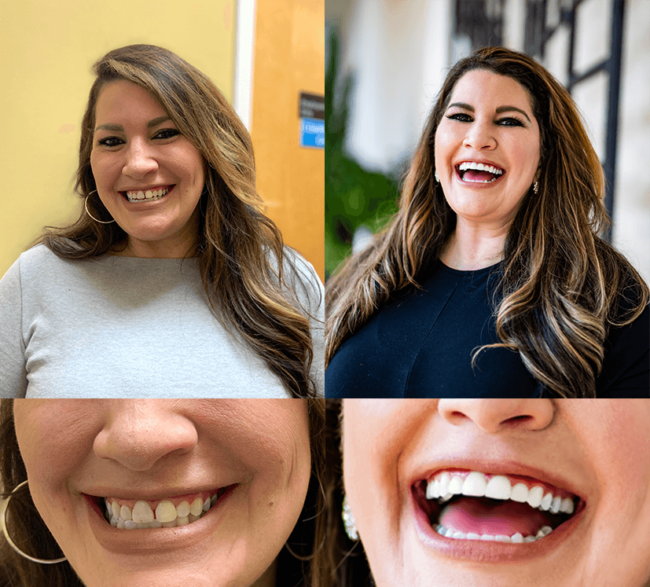
Have you been wondering if veneers might be the right choice for your smile? Picture this: a confident, radiant smile that lights up every room. At Lane Family Dentistry, we’ve helped countless patients transform their appearances with veneers, and now, we’re excited to show you an incredible Before and After photo from one of our clients

before and after cosmetic dentistry case
Our Lane Patient before and after Porcelain Veneers

.

This post will walk you through what veneers are, the gorgeous transformation they provide, and exactly what you can expect before and after the procedure.

What Are Veneers?

Veneers are ultra-thin, custom-made shells, typically made from porcelain, designed to cover the front surfaces of your teeth. They’re like a makeover for your smile, addressing issues such as discoloration, chips, gaps, or even uneven teeth. The result? A flawless smile that still looks and feels natural.

At Lane Family Dentistry, we specialize in creating veneers that match the unique structure and shade of your teeth, giving you a smile that looks effortlessly stunning.

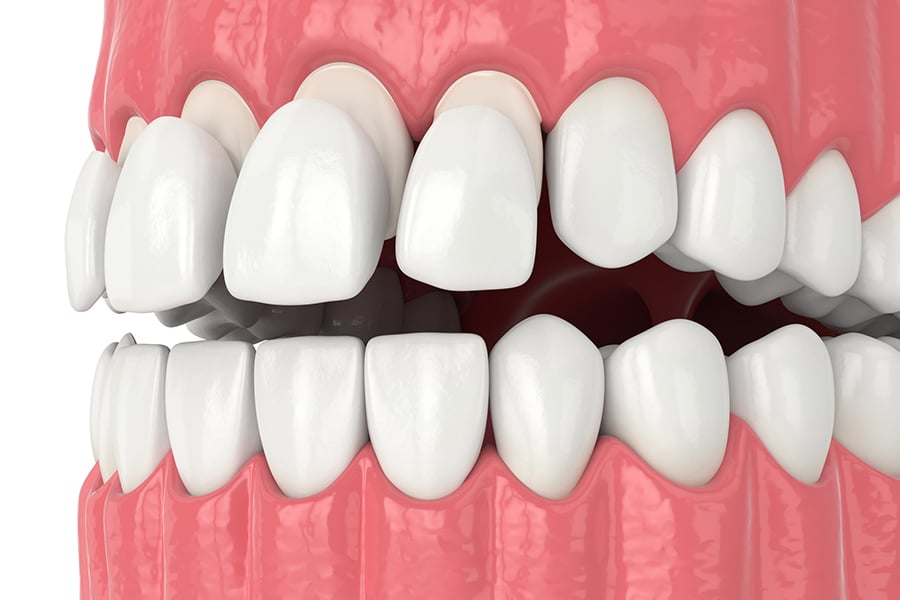
Veneers Front View


What to Expect Before and After

Knowing what to expect can help you feel more comfortable and excited about your veneers. Here’s a step-by-step guide to the experience:

Before

1. Consultation & Planning

Your first visit to Lane Family Dentistry is all about understanding your unique needs and goals. During this comprehensive consultation, we’ll take the time to discuss your expectations, answer any questions, and perform a detailed examination of your teeth. Using state-of-the-art imaging technology, we’ll provide you with a visual preview of your potential new smile, helping you feel confident and informed about the process. Together, we’ll determine the best veneer options to achieve the smile you’ve always wanted.

2. Preparation

To ensure a perfect fit, we’ll gently prepare your teeth by filing down a small, precise amount of enamel, creating space for the veneers. This step is minimally invasive and completely pain-free, thanks to our expertise and gentle care. If needed, we’ll place temporary veneers to protect your teeth and maintain your smile while your custom veneers are being carefully crafted in the lab. This attention to detail ensures you’re comfortable and supported throughout the entire process.

After

  1. Placement
    Once your veneers are ready, we’ll bond them securely to your teeth. This process ensures a comfortable fit and a natural look. The result? A brand-new, picture-perfect smile.

  2. Healing & Adjusting
    After placement, you might need a short period to adjust to your veneers. They’ll quickly feel just like your natural teeth. Our team will give you all the care instructions you need to keep them looking flawless for years to come.

  3. Your Stunning New Smile
    Once you’ve settled into your new smile, it’s time to enjoy it! Snap photos, laugh more confidently, and savor every compliment you’ll get.


front teeth veneers

Benefits of Veneers

Veneers deliver more than just cosmetic appeal. Here are some of their incredible advantages:

  • Natural Appearance: Porcelain veneers mimic the sheen and texture of real teeth.
  • Durability: With proper care, they can last 10 to 15 years or even longer.
  • Stain Resistance: You won’t have to worry about coffee or wine staining your veneers.
  • Quick Results: Unlike braces or other treatments, veneers transform your smile in just two visits.

For patients who dream of a flawless smile but don’t want multiple procedures, veneers are often the best choice.


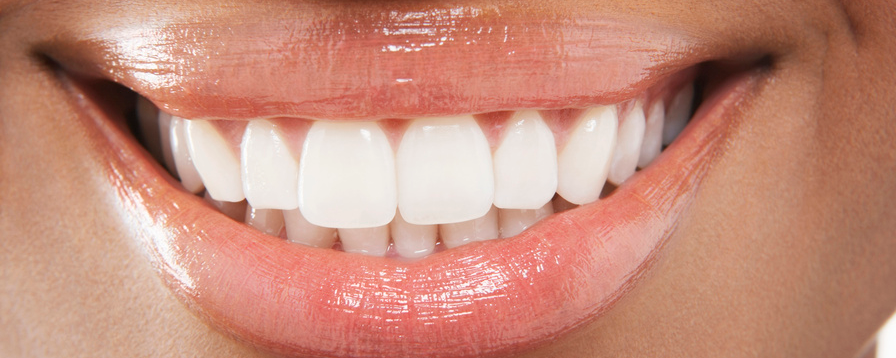
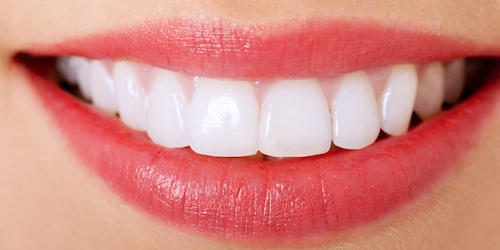
Porcelain Veneers smile with pink lips

Why Choose Lane Family Dentistry?

Your smile deserves the very best, and our team at Lane Family Dentistry is here to deliver just that. Here’s what sets us apart:

  • Experienced Cosmetic Dentists
    We’ve restored hundreds of smiles with veneers, and we’re known for our precision, artistry, and personalized care.

  • A Smooth Experience
    From your first consultation to the final placement, we’ll guide you through every step with warmth and professionalism.

  • Affordable Options
    We offer flexible payment plans and work with a wide range of insurance providers. Giving you an amazing smile shouldn’t break the bank.

See the Transformation for Yourself

There’s nothing like seeing the difference veneers can make. Think about that Before and After Photo showed showed earlier. You could be the next patient to experience a life-changing transformation like hers. Are you ready for it?

Book Your Consultation Today

Your perfect smile is just an appointment away! Contact Lane Family Dentistry today at 1-877-LANE-DDS or schedule an appointment online.

Our team is excited to meet you, answer your questions, and help you achieve the smile you’ve been dreaming about. With veneers at Lane Family Dentistry, the “after” photo you’ve always wanted is closer than you think!

You might also be interested in these articles about Veneers:


Share this post:

Have you been dreaming of a flawless smile but wondered how long porcelain veneers last? It’s a common question and an important one, especially if you’re considering investing in your smile. At Lane Family Dentistry, we believe in making every patient feel confident and informed about their choices. Here’s an inside look at the lifespan of veneers and how you can ensure they stay beautiful for years to come.


dental veneers

The Average Lifespan of Veneers

Porcelain veneers are known for their durability and stunning, natural appearance. On average, porcelain veneers last between 10 to 15 years. With proper care, some veneers can even last 20 years or more, making them a long-term solution for a brighter, more even smile.

Compared to composite veneers (which typically last 4–8 years), porcelain veneers are the clear winner in terms of longevity. This is thanks to the high-quality ceramic materials, which are strong, stain-resistant, and extraordinarily durable.

But how long your veneers last depends on more than just the material. Factors such as your lifestyle, daily habits, and how well they’re cared for all play a role in their longevity.


What Affects the Lifespan of Veneers?

Here are some key factors that determine how long your veneers will stay flawless:

1. The Quality of the Materials

Lane Family Dentistry uses only the highest-quality porcelain materials, crafted to withstand daily wear and tear. Strong, advanced ceramics resist chipping and staining better than most alternatives, ensuring your veneers remain as beautiful as the day they were placed.

2. The Expertise of Your Dentist

The skill of your dentist makes a big difference in how long your veneers last. From properly preparing your teeth to using the best bonding techniques, our experienced cosmetic dentists ensure your veneers fit perfectly and securely. At Lane, our specialists personalize every procedure to meet your unique needs and create a smile you’ll love.

3. Your Oral Hygiene Routine

Proper oral hygiene is essential to maintain the health of your teeth and extend the life of your veneers. Regular brushing, flossing, and rinsing with an alcohol-free mouthwash can keep your veneers and natural teeth in great condition.

4. Your Lifestyle & Dietary Choices

Certain habits can put your veneers at risk of damage. Chewing hard objects like ice or using your teeth to open packaging are a no-go. Similarly, excessive consumption of coffee, red wine, or tobacco products could lead to discoloration over time.

5. Bruxism (Teeth Grinding or Clenching)

If you grind or clench your teeth, your veneers could experience more wear than normal. To protect them, talk to your dentist about a custom-fitted nightguard to absorb the pressure and keep your veneers safe.

6. Gum and Oral Health

Healthy gums are the foundation of a beautiful smile. Gum disease or gum recession can expose the edges of your veneers, increasing the risk of decay or loosening. A regular dental care routine and professional cleanings will help maintain your gum health.

Tips to Make Your Veneers Last

Want to get the most out of your porcelain veneers? Here are a few simple care tips:

  • Brush twice a day using a soft-bristled toothbrush and fluoride toothpaste.
  • Floss daily to prevent plaque buildup and protect the natural teeth under your veneers.
  • Avoid biting into hard foods or objects.
  • Wear a nightguard if you grind your teeth.
  • Visit your dentist regularly for checkups and professional cleanings.

These small steps can help maximize the longevity of your veneers and keep your smile radiant.

before and after cosmetic dentistry case
Our Lane Patient before and after Porcelain Veneers

Why Choose Lane Family Dentistry for Your Veneers?

At Lane Family Dentistry, we don’t just create smiles—we build confidence. Our team of cosmetic dentists has years of experience perfecting smiles with porcelain veneers. Here’s why patients trust us with their smiles:

  • Unmatched Expertise: Our dentists specialize in porcelain veneers and have transformed hundreds of smiles across North Carolina.
  • Personalized Care: Every patient is unique, and we tailor treatments to match your needs, preferences, and goals.
  • Flexible Payment Options: We work with 18 insurance providers and offer custom payment plans, making your dream smile more affordable than you think.

When you choose Lane Family Dentistry, you’re not just investing in veneers; you’re investing in top-notch care and long-term results.

Schedule Your Consultation Today

Woman smiling with bright white VeneersYour dream smile is just a step away! Porcelain veneers can be a life-changing solution, giving you the confidence to smile brighter every day. Contact Lane Family Dentistry at 1-877-LANE-DDS or schedule an appointment online.

With our friendly team, advanced solutions, and commitment to patient care, we’ll help you achieve a smile that lasts. Don’t wait another day to love your smile!

You might also be interested in these articles about Veneers:

Share this post:

If you’re thinking about getting veneers, you may be wondering if they’re worth it. Veneers can improve your smile, but they also come with some drawbacks. This article breaks down the pros and cons of veneers, how long they last, and other cosmetic options to help you decide.

Veneer Advantages and Disadvantages

Pros of Veneers

  • Improves Appearance: Veneers can cover stains, chips, gaps, and misaligned teeth, making your smile look better.
  • Durability: Porcelain veneers last 10-15 years with proper care, while composite veneers last 5-7 years.
  • Stain-Resistant: Porcelain veneers resist stains better than natural teeth.
  • Minimal Maintenance: You can care for veneers just like natural teeth with regular brushing and flossing.
  • Quick Transformation: The procedure takes just a few dental visits, unlike braces that take years.
  • Non-Invasive: Only a thin layer of enamel is removed compared to crowns.

Cons of Veneers

  • Expensive: Veneers cost between $800 and $2,500 per tooth, depending on the type.
  • Irreversible: The process involves removing enamel, so you can’t go back to your natural teeth.
  • Potential Sensitivity: Some people experience tooth sensitivity after getting veneers.
  • Not Indestructible: They can chip or break if exposed to excessive force.
  • Not Suitable for Everyone: People with weak enamel or gum disease may not be good candidates.

Cosmetic Options Similar to Veneers

If veneers seem too expensive or permanent, there are other ways to improve your smile:

  • Teeth Whitening: Less expensive than veneers but only improves color, not shape.
  • Dental Bonding: Uses resin to fix small chips, cracks, and gaps, but it’s not as durable as veneers.
  • Braces or Aligners: Straightens teeth but takes longer than veneers.
  • Crowns: Covers the entire tooth and is a better option for severely damaged teeth.

How Long Do Veneers Last?

The lifespan of veneers depends on the material and how well you take care of them:

  • Porcelain Veneers: Last 10-15 years with proper care.
  • Composite Veneers: Last 5-7 years but are more prone to staining and chipping.

To make veneers last longer:

  • Brush and floss daily.
  • Avoid biting hard foods like ice or nuts.
  • Wear a night guard if you grind your teeth.
  • Visit the dentist regularly for checkups.

Do Veneers Look Good?


Yes! Veneers are custom-made to match your natural teeth, making them look seamless. Dentists choose the right shape and shade to blend in with your smile. Most people won’t even notice you have veneers.

Final Thoughts: Are Veneers Worth It?

Veneers can transform your smile and boost your confidence, but they come with costs and commitments. If you want a long-lasting and natural-looking solution for cosmetic dental issues, veneers may be worth it. However, if you’re looking for a more affordable or reversible option, consider alternatives like whitening, bonding, or braces.

The best choice depends on your needs, budget, and dental health. Talk to a dentist to see if veneers are the right fit for you!

Share this post:

Veneers are a popular choice for people who want a perfect smile, but many wonder if they can come off. While veneers are designed to be long-lasting and durable, certain factors can cause them to detach. In this article, we’ll explore how common it is for veneers to come off, whether you can go back to your normal teeth, if veneers damage real teeth, and how permanent they are.

How Common Is It for Veneers to Come Off?

Veneers are securely bonded to your teeth, but they are not indestructible. Here are some common reasons why veneers may come off:

  • Poor Bonding: If the adhesive used to attach the veneer is weak or improperly applied, the veneer may not hold well.
  • Trauma: A strong impact, like getting hit in the mouth, can loosen or break a veneer.
  • Teeth Grinding (Bruxism): People who grind or clench their teeth, especially at night, put extra pressure on veneers, which can cause them to come loose.
  • Decay Under the Veneer: If the natural tooth underneath starts to decay, the veneer may lose its grip and fall off.
  • Gum Disease: Receding gums and weakened tooth structure can make veneers unstable.
  • Aging Adhesive: Over time, the bonding material can weaken, increasing the chances of detachment.
  • Excessive Wear and Tear: Constant chewing on hard foods, biting nails, or using teeth to open packages can damage veneers.

If a veneer does come off, it’s important to see a dentist as soon as possible to have it reattached or replaced.

Can You Go Back to Your Normal Teeth After Veneers?

Once you get veneers, your teeth are permanently altered. Here’s why:

  • Enamel Removal: To place veneers, a thin layer of enamel is removed from the surface of your teeth. This process is irreversible.
  • Tooth Sensitivity: Without enamel, your teeth may become more sensitive to hot and cold temperatures.
  • Appearance Changes: Since the enamel is shaved down, your natural teeth may look smaller or less even without veneers.

If a veneer falls off, it’s best to get it replaced rather than going back to bare teeth. However, if you decide not to replace veneers, other options like dental bonding or crowns may help restore the appearance of your teeth.

Do Veneers Mess Up Real Teeth?

Many people worry that veneers could damage their real teeth. Here’s the truth:

  • Veneers Don’t Harm Healthy Teeth: When applied correctly by a skilled dentist, veneers do not damage your natural teeth.
  • Tooth Preparation Is Necessary: A small amount of enamel must be removed to ensure a proper fit, but this is a standard part of the process.
  • Decay Can Still Happen: While the veneer itself won’t get a cavity, the tooth underneath can still decay if not properly cared for.
  • Weakened Tooth Structure: If a veneer falls off and isn’t replaced, the exposed tooth may be more vulnerable to damage and decay.

Overall, veneers are a safe and effective cosmetic option when properly maintained.

Do Veneers Stay in Permanently?

Veneers are considered a long-term solution, but they are not truly permanent. Here’s what to expect:

  • Lifespan: Most veneers last between 10 to 15 years with proper care, but some can last even longer.
  • Maintenance Is Key: Regular brushing, flossing, and dental checkups help extend the life of veneers.
  • Replacements May Be Needed: Over time, veneers may need to be replaced due to wear, discoloration, or detachment.
  • Avoiding Bad Habits Helps: Avoid chewing on hard objects, grinding teeth, and consuming excessive staining foods to prolong their lifespan.

While veneers won’t last forever, with good oral hygiene and regular dental visits, they can provide a beautiful smile for many years.

Conclusion

Veneers are a great option for improving your smile, but they do require care. While they don’t easily come off, factors like poor bonding, trauma, and decay can cause them to loosen over time. Since enamel is removed during the veneer process, returning to natural teeth isn’t always an option. However, with proper care, veneers can last for a decade or more, keeping your smile looking great.

If you experience a loose or fallen veneer, visit your dentist right away to get it repaired or replaced. By following good oral hygiene practices and avoiding damaging habits, you can keep your veneers secure and your smile looking its best!

Share this post:

Happy Holidays, From Our Family To Yours!

Our offices will be closed from December 24th through December 29th to celebrate the holidays. We’ll be back and ready to assist you on Monday, December 30th.

We wish you a joyous holiday season and a Happy New Year!